Wood Burning Saunas for Sale: Buyer's Guide to Stoves

Affiliate disclosure: Some links on this page are affiliate links. If you buy through them we earn a small commission at no extra cost to you. This never influences which products we recommend — we only suggest things we'd buy ourselves. Product prices and availability are accurate as of the date published and are subject to change. Always check Amazon for current pricing before purchasing. Learn more.
Quick Picks
Harvia Smart Sensor for Sauna Heaters, Compatible with Electric and Wood Burning Sauna Stoves, Adaptive Learning System, Integrated with MyHarvia App to Control Temperature, Humidity & Usage
Quality construction suited to regular home sauna use
Buy on AmazonHarvia Legend Wood Burning Sauna Stove, Traditional Wood Burning Stove for Indoor Heating, Premium Cast Iron Sauna Heater with Large Stone Capacity, Includes Sauna Rocks, Powerful 16kW Capacity
Quality construction suited to regular home sauna use
Buy on AmazonHarvia Pro 20 Wood Burning Sauna Heater, Quick Heating Stainless Steel Wood Burning Sauna Stove with Adjustable Feet, Includes Sauna Rocks, Premium Sauna Heater for Medium Sized Rooms, 24kW
Quality construction suited to regular home sauna use
Buy on Amazon| Product | Price Range | Top Strength | Key Weakness | Buy |
|---|---|---|---|---|
| Harvia Smart Sensor for Sauna Heaters, Compatible with Electric and Wood Burning Sauna Stoves, Adaptive Learning System, Integrated with MyHarvia App to Control Temperature, Humidity & Usage best overall | $$$ | Quality construction suited to regular home sauna use | Confirm specifications match your specific installation space and electrical requirements | Buy on Amazon |
| Harvia Legend Wood Burning Sauna Stove, Traditional Wood Burning Stove for Indoor Heating, Premium Cast Iron Sauna Heater with Large Stone Capacity, Includes Sauna Rocks, Powerful 16kW Capacity also consider | $$$ | Quality construction suited to regular home sauna use | Confirm specifications match your specific installation space and electrical requirements | Buy on Amazon |
| Harvia Pro 20 Wood Burning Sauna Heater, Quick Heating Stainless Steel Wood Burning Sauna Stove with Adjustable Feet, Includes Sauna Rocks, Premium Sauna Heater for Medium Sized Rooms, 24kW also consider | $$$ | Quality construction suited to regular home sauna use | Confirm specifications match your specific installation space and electrical requirements | Buy on Amazon |
| ALEKO Wood Burning Sauna Heater and Chimney Kit | Equivalent to 9-15 kW Electric Heater | Large Stone Capacity also consider | $$$ | Quality construction suited to regular home sauna use | Confirm specifications match your specific installation space and electrical requirements | Buy on Amazon |
| Stove Door Glass for Harvia Wood-Burning Sauna Stoves | Heat-Resistant & Clear Viewing Panel | Fits M3, 20, 26, 36 Models also consider | $$$ | Quality construction suited to regular home sauna use | Confirm specifications match your specific installation space and electrical requirements | Buy on Amazon |
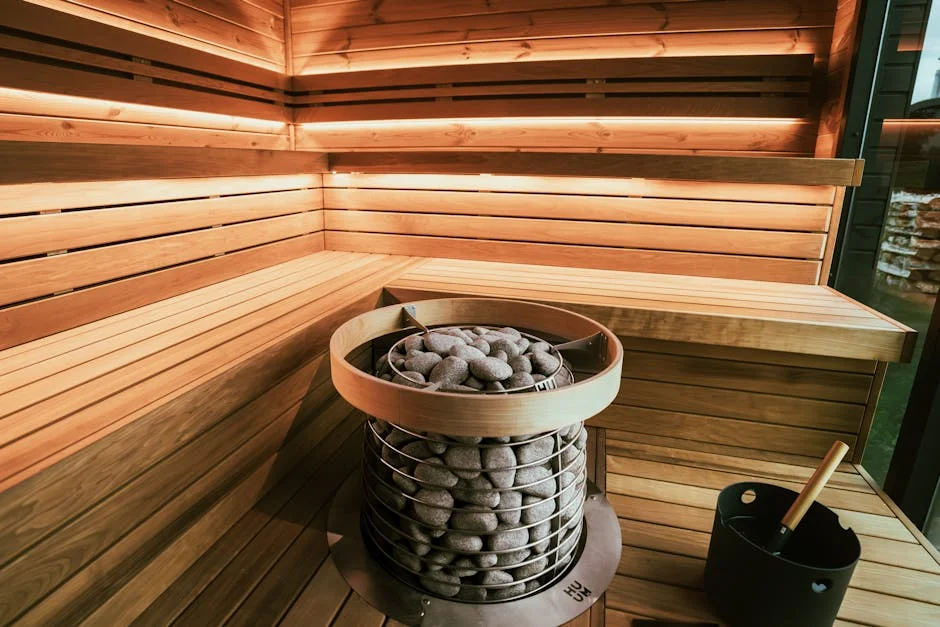
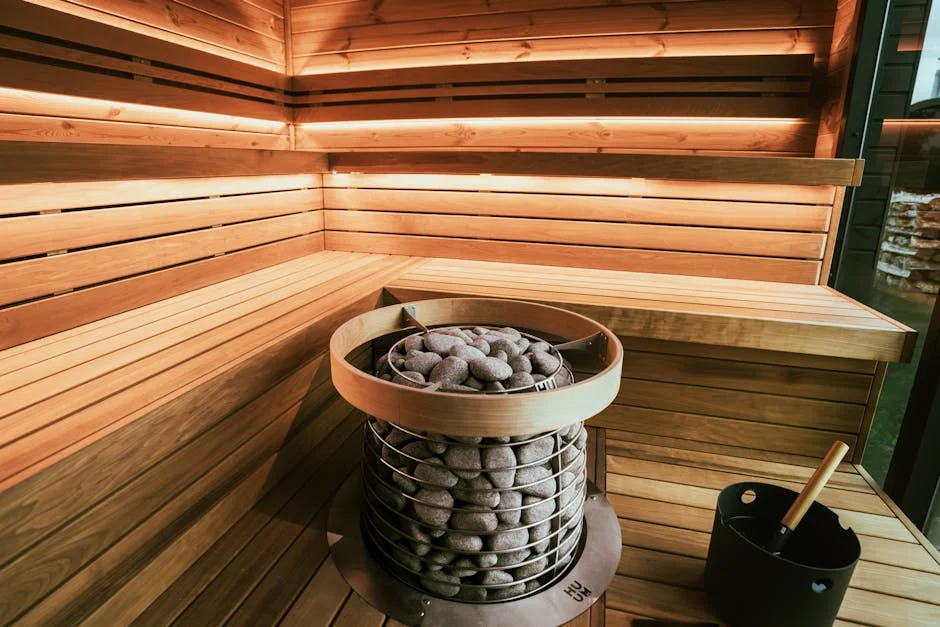
Wood-burning saunas occupy a category of their own , no electrical hookup required, no thermostat to program, no compromise on the kind of heat that feels genuinely Finnish. If you’re comparing stoves for a backyard barrel build, a cabin installation, or a dedicated sauna room, the wood-fired sauna market has expanded considerably, and the quality range is wide. Matching stove output to room volume is where most buyers go wrong first.
The criteria that separate a capable wood-burning stove from a frustrating one aren’t always obvious from a product listing. Stone capacity, firebox size, heat-up time, and chimney compatibility all matter before the price conversation starts. The sections below break down what to evaluate and which stoves have earned their reputation.
What to Look For in a Wood-Burning Sauna Stove
Output Capacity and Room Volume
The single most common installation mistake is mismatching stove output to room size. Wood-burning stoves are rated in kilowatts, and that rating reflects the cubic volume of air the stove can heat to sauna temperatures , typically 80, 100°C , within a reasonable window. A stove undersized for its room will run hot for an hour and never reach temperature. A stove oversized for a small room creates an uncontrollable heat environment.
The general rule is 1 kW per cubic meter of sauna room volume, adjusted upward for poorly insulated spaces, outdoor structures, or rooms with significant window area. A compact 6×6×7-foot sauna room runs roughly 7, 8 cubic meters and needs at minimum an 8 kW stove to reach temperature efficiently. Most residential wood-burning stoves run between 15 and 24 kW, which positions them well for medium to large sauna rooms.
Don’t calculate room volume alone. If your sauna room has uninsulated walls or sits in a cold climate , Minnesota winters will expose every insulation shortcut , add a 20, 25% buffer to your volume calculation before selecting a stove.
Stone Capacity and Löyly Quality
Stone capacity is not a luxury specification. In Finnish sauna tradition, throwing water on hot stones , löyly , is the defining sensory experience. The more mass the stone bed holds, the more thermal energy is stored, and the more steam can be generated without dropping the stove temperature dramatically.
A stone bed that’s too small recovers slowly between water throws and produces thin, short-lived steam. Serious sauna users look for a minimum of 20 kg of stones in a residential stove. Premium stoves in the 16, 24 kW range frequently accommodate 40, 60 kg or more. That mass is what produces the dense, long-lasting steam that distinguishes a quality löyly from a weak one.
Stone quality matters alongside capacity. The rocks included with most stoves are usable, but olivine basalt and similar dense volcanic stones hold heat better and resist thermal cracking longer than lower-grade fill stones.
Chimney Routing and Safety Clearances
Wood-burning stoves require a chimney , that’s the tradeoff for the electricity-free operation. Before purchasing any stove, the chimney routing plan should be resolved. Most installations route either straight up through the ceiling and roof (ideal for heat retention) or through a wall with an elbow to vertical. Both approaches work, but the length and number of bends affect draft quality and therefore combustion efficiency.
Safety clearances are non-negotiable. Wood-burning stove installation codes require specific distances from combustible walls, ceilings, and flooring , these vary by jurisdiction but are rarely less than 12 inches from any combustible surface. The stove’s installation manual specifies minimum clearances; local building code may exceed them.
For buyers researching the full landscape of wood-fired sauna options, understanding chimney requirements early narrows the candidate list before any stove specs come into view.
Firebox Construction and Burn Efficiency
Firebox construction determines two things: how long a load of wood burns, and how completely it combusts. Cast iron fireboxes store and radiate heat efficiently but require careful burn management , adding wood too frequently keeps temperatures from stabilizing. Stainless steel fireboxes heat faster and are more tolerant of variable firing rhythm.
Burn efficiency also connects directly to wood consumption rate. A well-designed firebox reaches sauna temperatures on roughly 4, 6 kg of dry hardwood and maintains them on occasional small additions. A poorly designed or oversized firebox can consume significantly more for the same result. Verified buyer reports consistently note that stove brand and quality correlates strongly with wood consumption across similar room volumes.
Top Picks
Harvia Legend Wood Burning Sauna Stove
The Harvia Legend Wood Burning Sauna Stove is the stove that gets cited most often in r/Sauna when someone asks for a serious residential wood-burning recommendation. The 16 kW cast iron body is sized for rooms up to approximately 14, 16 cubic meters , a genuine full-size sauna room , and the stone capacity is substantial enough to support extended sessions with multiple water throws.
Cast iron construction means heat retention is exceptional. Once the Harvia Legend reaches temperature, it holds that thermal mass through the session without demanding constant attention. Owner reports consistently note that the firebox draws well and combusts cleanly on seasoned hardwood, with heating times in the 45, 60 minute range for well-insulated rooms.
The stove ships with sauna rocks included, which matters for first-time buyers who may not have a stone source. Harvia’s installation specifications note minimum clearance requirements that are typical of quality cast iron stoves , verify those against your room dimensions before purchase. This is the stove the evidence consistently points to for buyers who want a durable, proven platform for regular home sauna use.
Check current price on Amazon.
Harvia Pro 20 Wood Burning Sauna Heater
Output is the headline on the Harvia Pro 20 Wood Burning Sauna Heater. At 24 kW, this stove is built for larger rooms , think 20+ cubic meters, a genuine cabin sauna or a dedicated outbuilding installation. The stainless steel body heats faster than cast iron equivalents, which matters when you’re firing a cold structure in subzero conditions and want sauna temperatures before an hour has passed.
The adjustable feet are a practical detail that gets underappreciated in product comparisons. Uneven sauna floors are common in shed builds and cabin retrofits, and the ability to level the stove without shimming simplifies installation. The stone capacity supports a full stone bed for proper löyly, and included rocks get buyers started without a separate stone purchase.
Verified buyers consistently note the Harvia Pro 20’s heating speed as its distinguishing quality , the stainless steel construction trades some long-term heat retention for faster initial warm-up. For large rooms or cold-climate installations where time to temperature is the priority, the output case here is strong.
Check current price on Amazon.
ALEKO Wood Burning Sauna Heater and Chimney Kit
The ALEKO Wood Burning Sauna Heater and Chimney Kit addresses one of the practical headaches of wood-burning sauna installation: chimney sourcing. Buying stove and chimney components separately is the standard approach for experienced installers, but first-time buyers often underestimate chimney costs or end up with mismatched components. The bundled kit simplifies that process.
Rated equivalent to 9, 15 kW electric output, the ALEKO positions itself squarely in the medium-room segment. The large stone capacity relative to its size is a genuine specification strength , buyers in r/Sauna who’ve installed this stove report satisfying löyly even in sessions with multiple users. Construction quality is solid for the category, though Harvia’s cast iron builds represent a higher tier of long-term durability by comparison.
For a buyer who wants a complete, matched package without sourcing chimney components separately, this kit offers real convenience value. The chimney inclusion also removes the compatibility uncertainty that comes with mixing brands across stove and flue components.
Check current price on Amazon.
Stove Door Glass for Harvia Wood-Burning Sauna Stoves
Watching a sauna fire is one of the quieter pleasures of wood-burning sauna use , the kind of thing that Finnish tradition has always accommodated and that retrofitted door glass makes possible on stoves that didn’t originally ship with a viewing panel. The Stove Door Glass for Harvia Wood-Burning Sauna Stoves fits Harvia’s M3, 20, 26, and 36 models, which covers a substantial portion of the installed Harvia wood-burning stove base.
Heat-resistant glass rated for sauna stove temperatures is a specific material requirement , standard glass doesn’t survive the thermal cycling of a wood-burning firebox. This panel is purpose-built for that environment, and owner reports note that installation is straightforward for buyers familiar with their Harvia stove model.
The practical compatibility note matters: verify your specific Harvia model number against the listed fit , M3, 20, 26, 36 , before purchasing. For confirmed compatible stoves, this is a clean upgrade that adds the visual dimension to sessions without compromising the firebox seal.
Check current price on Amazon.
Harvia Smart Sensor for Sauna Heaters
The Harvia Smart Sensor for Sauna Heaters is worth understanding clearly: this is a monitoring and control accessory, not a standalone stove, and its relationship to wood-burning setups is specific. The sensor integrates with the MyHarvia app to track temperature, humidity, and usage, and it’s listed as compatible with both electric and wood-burning Harvia stoves.
For wood-burning sauna users, the practical value is session monitoring rather than remote start , you still light the fire manually. What the smart sensor adds is data: temperature curves across a session, humidity tracking when you’re experimenting with löyly frequency, and usage logs that reveal patterns most sauna owners don’t realize they have. The adaptive learning system refines its reporting over time based on your actual session behavior.
Harvia’s app integration is genuinely well-regarded in the r/Sauna community for electric setups, and verified buyers on the wood-burning side note it works as advertised for monitoring. For buyers who already own a compatible Harvia stove and want a data layer on top of a traditional wood-burning practice, the case here is clear.
Check current price on Amazon.
Buying Guide
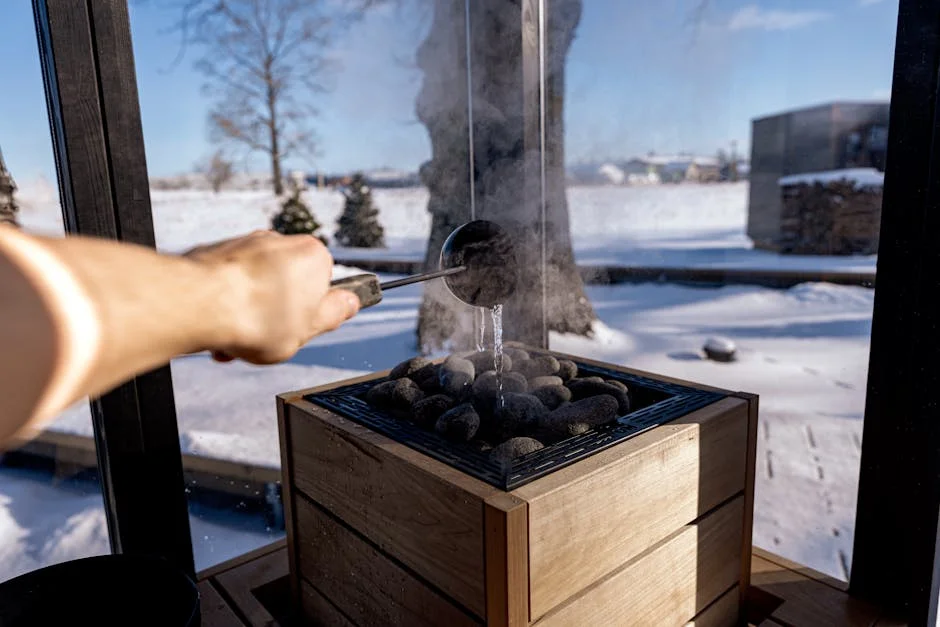
Matching Stove Output to Your Specific Space
Output matching is the decision that determines whether a stove investment performs or disappoints, and it goes beyond the basic kW-per-cubic-meter calculation. Room insulation quality, wall material, floor construction, and the presence of a changing room vestibule all affect how efficiently a stove heats a given space.
Barrel saunas and shed conversions typically have thinner wall assemblies than purpose-built sauna rooms, which means heat loss is higher. A stove that would comfortably heat a well-insulated 15-cubic-meter room may struggle with a poorly insulated barrel of the same volume in January.
The safest approach is to calculate room volume, identify your insulation rating honestly, then select a stove at the upper end of the compatible output range rather than the middle. Oversizing marginally is more forgiving than undersizing.
Understanding the Electricity-Free Advantage
Wood-burning saunas require no electrical connection to the stove itself , that’s a structural advantage for cabin installations, remote properties, and off-grid builds where running a 240V circuit to a sauna is impractical or expensive. The fire is the system.
This also means the sauna experience is less mediated by timers and digital controls. The ritual of building and tending a fire, monitoring heat by feel and thermometer, and timing water throws to the stone bed temperature is part of what makes wood-fired sauna use distinct from its electric equivalent.
For buyers exploring the full range of wood-fired sauna stoves, understanding what electricity-free operation removes from the equation , and what it requires in exchange , is essential framing before comparing specific models.
Chimney Configuration and Installation Planning
Chimney planning should happen before stove selection, not after. The routing options , straight vertical through ceiling and roof, or wall exit with vertical rise , affect both installation cost and draft performance. Longer vertical runs produce stronger draft; wall exits with elbows reduce draft proportionally to the number of bends.
Chimney diameter must match the stove’s flue collar specification. Most residential wood-burning sauna stoves use a 6-inch flue, but verify before purchasing any chimney components. Mismatched diameters require adapters that reduce draft and create maintenance complications.
The ALEKO chimney kit addresses this by bundling matched components , an option worth considering for buyers without a trusted local chimney supplier.
Burn Fuel and Wood Consumption
Dry, seasoned hardwood is the baseline requirement for a wood-burning sauna stove. Green or wet wood burns inefficiently, produces excess smoke, and leaves creosote buildup in the chimney flue. Hardwoods , birch is traditional in Finland and common in Minnesota and the upper Midwest , produce long, hot burns with minimal ash.
A typical sauna session to heat a medium-sized room consumes roughly 4, 8 kg of hardwood split into manageable pieces. Buyers in r/Sauna consistently report that stove design and firebox efficiency affect consumption noticeably , a well-designed firebox at the right size for the room burns meaningfully less wood than a mismatched setup fighting its environment.
Factor wood storage into the installation plan. A cord of seasoned hardwood requires covered, ventilated storage, and access to the sauna structure should accommodate carrying split wood without a long haul.
Long-Term Maintenance Considerations
Cast iron stoves require periodic inspection for cracks, particularly around the firebox door and stone cradle, where thermal cycling creates stress over years of use. Surface rust on external cast iron is cosmetic and addressable with high-temperature stove paint; through-cracks compromise structural integrity and require professional evaluation.
Chimney cleaning is non-negotiable. Creosote accumulates in the flue regardless of how clean the wood burns , the question is rate of accumulation, not whether. Annual chimney sweeping is the standard maintenance interval for regular users; more frequent use warrants mid-season inspection.
Stone beds should be inspected annually and individual stones replaced when cracking or crumbling appears. Thermally compromised stones can fragment during water throws, creating a safety hazard.

Frequently Asked Questions
How long does a wood-burning sauna take to heat up?
Heating time depends on stove output, room volume, insulation quality, and how cold the room starts. A well-insulated medium-sized sauna room with a correctly sized stove typically reaches 80, 90°C in 45, 75 minutes. Poorly insulated outdoor structures or large rooms in cold climates may need 90 minutes or more. The Harvia Pro 20 is specifically noted by buyers for faster heat-up times relative to its room size rating.
What’s the difference between the Harvia Legend and the Harvia Pro 20?
The Harvia Legend uses cast iron construction at 16 kW, which prioritizes long-term heat retention and sustained session performance. The Harvia Pro 20 is stainless steel at 24 kW, designed for larger rooms and faster initial heat-up. Cast iron holds thermal mass longer; stainless steel reaches temperature more quickly. Room size and how you value heat-up speed versus sustained heat retention should drive that choice between the two stoves.
Do wood-burning sauna stoves require any electrical connection?
No. The stove itself requires no electricity , the fire provides all the heat, and there’s no thermostat, igniter, or control panel drawing power. The Harvia Smart Sensor is an optional monitoring accessory that does require power, but it’s separate from the stove’s operation. This electricity-free characteristic makes wood-burning stoves the default choice for off-grid cabins and remote installations.
What size sauna room does the ALEKO wood-burning stove kit fit?
The ALEKO kit is rated equivalent to 9, 15 kW of electric output, positioning it for small to medium sauna rooms , roughly 8, 14 cubic meters depending on insulation quality. For well-insulated rooms in that range it performs capably, and the bundled chimney components remove a common sourcing complication. For larger rooms or cold-climate installations, the 16, 24 kW stoves from Harvia are the stronger match.
How often should wood-burning sauna stove chimney be cleaned?
Annual cleaning is the minimum for regular sauna users , once per season before heavy use is the common practice. Owners who use their sauna multiple times per week should consider a mid-season inspection in addition to annual cleaning. Creosote accumulation rate depends on wood moisture content and combustion efficiency; wetter wood or slow burns produce faster buildup. A professional sweep is worth the cost relative to the chimney fire risk of a neglected flue.
Where to Buy
Harvia Smart Sensor for Sauna Heaters, Compatible with Electric and Wood Burning Sauna Stoves, Adaptive Learning System, Integrated with MyHarvia App to Control Temperature, Humidity & UsageSee Smart Sensor for Sauna Heaters, Compa… on Amazon