Outdoor Saunas for Sale: Buyer's Guide to Choosing Right

Affiliate disclosure: Some links on this page are affiliate links. If you buy through them we earn a small commission at no extra cost to you. This never influences which products we recommend — we only suggest things we'd buy ourselves. Product prices and availability are accurate as of the date published and are subject to change. Always check Amazon for current pricing before purchasing. Learn more.
Quick Picks
OUTEXER Outdoor Traditional Sauna 4-5 Person Wooden Saunas, 6’x6’Steam Wet Finnish Carbonized Spruce Wood Sauna 240V with 4.5KW Heater,Sauna Stone,Water Bucket,Ladle,LED Lights
All-weather construction built for year-round outdoor use
Buy on AmazonOutdoor Panoramic Barrel Sauna, 6-8 People Red Cedar Steam Sauna with Porch, Garden Traditional Wooden Saunas with Asphalt Shingles, 6KW TOULE Stove with Stone
All-weather construction built for year-round outdoor use
Buy on AmazonSmartmak 4-6 Person Outdoor Cube Panoramic Steam Sauna Room, Traditional Canadian Hemlock Barrel Wooden Saunas, 6KW Sauna Stove, Rocks, Light, Asphalt Shingle, Relaxing Spa, 0-195℉
All-weather construction built for year-round outdoor use
Buy on Amazon| Product | Price Range | Top Strength | Key Weakness | Buy |
|---|---|---|---|---|
| OUTEXER Outdoor Traditional Sauna 4-5 Person Wooden Saunas, 6’x6’Steam Wet Finnish Carbonized Spruce Wood Sauna 240V with 4.5KW Heater,Sauna Stone,Water Bucket,Ladle,LED Lights best overall | $$$ | All-weather construction built for year-round outdoor use | Requires level ground preparation and appropriate weather sealing | Buy on Amazon |
| Outdoor Panoramic Barrel Sauna, 6-8 People Red Cedar Steam Sauna with Porch, Garden Traditional Wooden Saunas with Asphalt Shingles, 6KW TOULE Stove with Stone also consider | $$$ | All-weather construction built for year-round outdoor use | Requires level ground preparation and appropriate weather sealing | Buy on Amazon |
| Smartmak 4-6 Person Outdoor Cube Panoramic Steam Sauna Room, Traditional Canadian Hemlock Barrel Wooden Saunas, 6KW Sauna Stove, Rocks, Light, Asphalt Shingle, Relaxing Spa, 0-195℉ also consider | $$$ | All-weather construction built for year-round outdoor use | Requires level ground preparation and appropriate weather sealing | Buy on Amazon |
| Outdoor Steam Sauna for 4 Person, Canadian Hemlock Saunas Spa, Traditional Barrel Wooden Sauna with ETL-Certified 6KW Stove, 0-195℉ (82.68”x 70.87”x 82.68”, Hemlock) also consider | $$$ | All-weather construction built for year-round outdoor use | Requires level ground preparation and appropriate weather sealing | Buy on Amazon |
| Far Infrared Sauna Room for 2 Persons Low EMF Home Indoor/Outdoor Saunas Canadian Premium Hemlock Wood-Sweating Detox-Colored Light Spectrum-LCD Display-Bluetooth also consider | $$$ | All-weather construction built for year-round outdoor use | Requires level ground preparation and appropriate weather sealing | Buy on Amazon |
Finding the right outdoor sauna starts with understanding how these structures differ from indoor models , weather resistance, wood selection, heater capacity, and site preparation all matter in ways that don’t apply inside the house. The outdoor sauna market has grown substantially, and the range of options reflects genuine differences in how buyers plan to use their sauna year-round.
Choosing well means matching the structure to your climate, your site, and how many people will use it regularly. The wrong footprint, an underpowered heater, or wood that isn’t suited to wet-dry cycles will create frustration well before the first winter is over.
What to Look For in an Outdoor Sauna
Wood Species and Weather Performance
The wood used in an outdoor sauna isn’t a cosmetic choice , it directly determines how the structure performs through freeze-thaw cycles, humidity swings, and prolonged UV exposure. Canadian hemlock, red cedar, and carbonized (thermally modified) spruce each behave differently over time.
Red cedar is the traditional standard for outdoor sauna construction. It contains natural oils that resist moisture absorption and resist cracking as temperatures shift. Owner reports consistently note cedar holding its dimensional stability well after multiple winters, with relatively low maintenance requirements compared to other species.
Canadian hemlock is a denser, more neutral-scented wood that machines cleanly and takes staining well. It performs reliably in outdoor settings but benefits from periodic sealing, particularly at end-grain joints where moisture intrusion tends to start. Thermally modified (carbonized) wood has been heat-treated to reduce its equilibrium moisture content, which improves stability and biological resistance , a meaningful advantage in climates with extended wet seasons.
Heater Sizing and Heat-Up Time
Outdoor saunas lose heat to the environment more aggressively than indoor models. Wall insulation helps, but the heater must be appropriately rated for the sauna’s cubic footage , and that calculation should account for the fact that outdoor ambient temperatures can drop well below what an indoor model would ever face.
A general field guideline is 1 kW of heater capacity per 45, 50 cubic feet of sauna room volume for a well-insulated outdoor structure. Verified buyer reports for underpowered setups consistently describe long heat-up times and difficulty sustaining temperatures above 160°F in cold weather. The difference between a 4.5 kW and a 6 kW heater is substantial when the ambient temperature is below freezing.
ETL-certified heaters carry third-party electrical safety verification, which matters both for personal safety and for homeowner insurance purposes. Manufacturer-bundled heaters with certification documentation simplify the approval process considerably.
Footprint, Site Preparation, and Foundation Requirements
Every outdoor sauna listed as a kit assumes you have a level, stable surface to place it on. “Level” in practical terms means within about a quarter-inch across the full base footprint , more deviation than that causes door alignment problems and stresses frame joints over time.
Gravel pads, concrete slabs, and pressure-treated deck platforms all serve as acceptable foundations depending on local conditions and permanence preferences. Drainage is a separate but related concern: the area immediately surrounding the sauna should direct water away, not allow pooling at the base. Sauna manufacturers rarely cover foundation requirements in adequate detail, and this is where community resources and local contractors add real value.
A 6×6-foot sauna occupies a modest footprint, but access clearance for door swing, ventilation, and the experience of moving between the hot room and outdoor air requires thinking about the surrounding space , not just the structure’s footprint itself. Exploring the full range of outdoor sauna options before committing to a footprint size is worth the planning time.
Barrel vs. Cabin vs. Cube Format
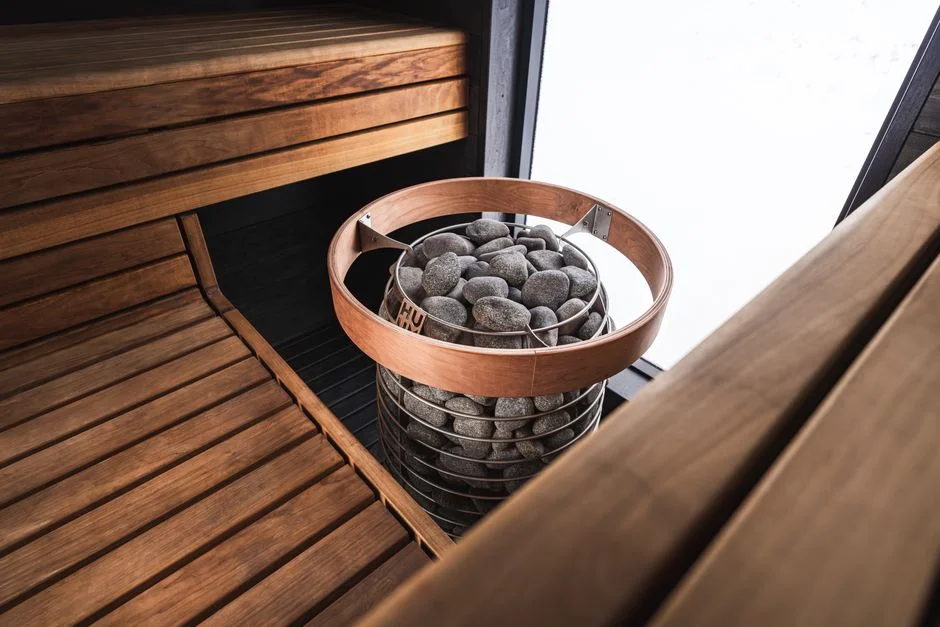
These are genuinely different structural geometries, not just aesthetics. A barrel sauna’s curved walls concentrate radiated heat toward the center of the bench area, which many users report as a more enveloping heat experience. The curved form also sheds rain and snow efficiently without requiring a separate pitched roof component.
Cabin-style saunas with vertical walls offer more usable cubic footage per square foot of floor space and allow for more flexibility in bench configuration. The panoramic window wall, available in both barrel and cube formats, adds natural light and outdoor views , a meaningful quality-of-life factor for sessions longer than 15, 20 minutes.
The cube format is a newer design that combines vertical walls with a flat or minimally pitched roof. It installs more predictably on flat sites and offers a contemporary aesthetic. The tradeoff is that heat distribution is less naturally concentrated than in barrel designs, and ventilation placement requires more attention.
Top Picks
OUTEXER Outdoor Traditional Sauna 4, 5 Person
The OUTEXER Outdoor Traditional Sauna 4, 5 Person positions itself as a year-round cabin-style structure built from carbonized spruce , thermally modified wood that trades the natural oil-based moisture resistance of cedar for improved dimensional stability and rot resistance through the modification process itself. For climates with significant precipitation or extended freeze-thaw cycling, the case for thermally modified wood over untreated softwoods is strong.
The 6×6 footprint and the 4.5 kW heater are on opposite ends of the capability spectrum. A 6×6 sauna room generates roughly 288 cubic feet of interior space , at the standard field guideline, that warrants closer to 6 kW. Verified buyer reports note the heater performs adequately in moderate climates but takes longer to reach full temperature in cold conditions. For buyers in warmer regions or those planning primarily three-season use, this gap is less consequential.
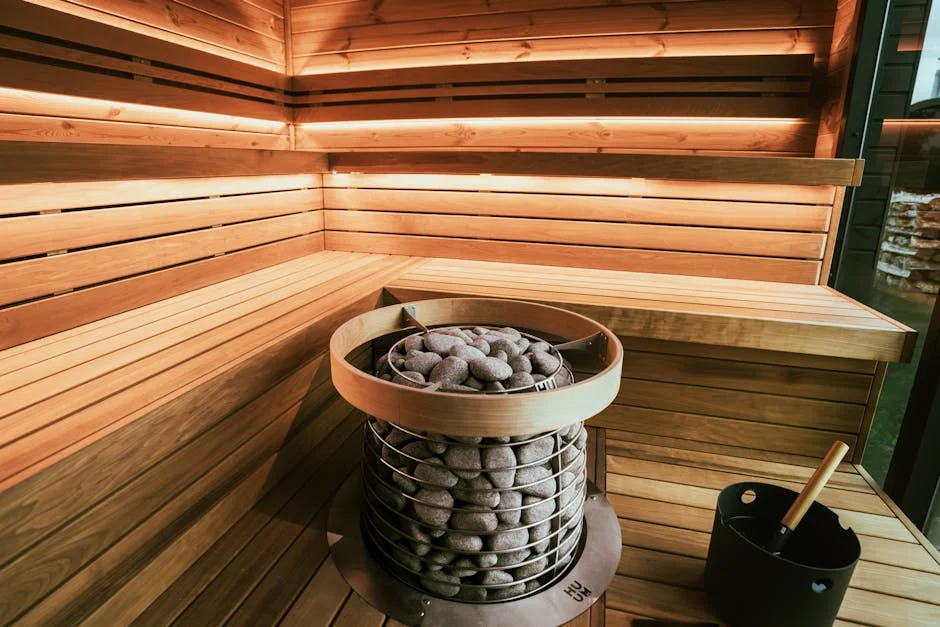
The package includes sauna stones, a water bucket and ladle, and LED lighting , everything needed to start a first session without additional sourcing. The 240V electrical requirement is standard for this category and should be confirmed with an electrician before purchase if the installation site doesn’t already have a dedicated 240V circuit.
Check current price on Amazon.
Outdoor Panoramic Barrel Sauna 6, 8 Person
For groups, the Outdoor Panoramic Barrel Sauna 6, 8 Person is the clearest choice in this comparison. Red cedar construction, a 6 kW TOULE stove, and a covered porch section combine the structural advantages of barrel geometry with the social functionality of a larger gathering space. The asphalt shingle roof adds weather protection that plain barrel designs lack during heavy precipitation.
Owner feedback consistently highlights the panoramic window wall as a standout feature , the ability to maintain a view of the yard, garden, or landscape while in session changes how the sauna fits into an outdoor living space. For buyers who want the sauna to feel integrated with their outdoor environment rather than enclosed within it, this design consideration is substantive.
The porch adds footprint that needs to be accounted for in site planning. The covered entry also functions as a transitional space , somewhere to cool down between rounds without standing fully exposed to outdoor elements. In cold climates, that transition space has practical value beyond the visual appeal.
Check current price on Amazon.
Smartmak 4, 6 Person Outdoor Cube Panoramic Steam Sauna
The Smartmak 4, 6 Person Outdoor Cube Panoramic Steam Sauna brings Canadian hemlock construction and cube geometry together in a configuration that appeals specifically to buyers who want the panoramic window experience without the curved barrel form. The flat-wall cube installs more predictably on prepared flat surfaces and offers a modern visual profile that reads differently in contemporary landscaping than a traditional barrel design.
The 6 kW stove is well-matched to a 4, 6 person capacity , heat-up time at this rating reaches functional temperatures faster than underpowered alternatives, and sustaining temperature during active use with multiple occupants requires that reserve capacity. The included asphalt shingle roof treatment is a meaningful durability consideration for outdoor structures that will face years of precipitation exposure.
Hemlock requires more diligent maintenance than cedar to match cedar’s long-term weather performance. Periodic sealing, particularly at end-grain surfaces and joints, is part of the ownership reality with hemlock , something buyer reviews occasionally note as a surprise in the first year of ownership. The panoramic window is the feature most consistently highlighted in positive owner reports, particularly in settings with attractive outdoor surroundings.
Check current price on Amazon.
Outdoor Steam Sauna for 4 Person , Canadian Hemlock
The Outdoor Steam Sauna for 4 Person is the most compact traditional barrel option in this group, with an 82.68”×70.87”×82.68” footprint suited to buyers working with limited yard space. Canadian hemlock construction and an ETL-certified 6 kW stove are the two features that define its practical positioning , the ETL certification specifically is worth emphasis for buyers navigating homeowner’s insurance or local permitting requirements.
The standard barrel form without a porch keeps the installed footprint genuinely small, which matters for urban or suburban properties where outdoor square footage is constrained. The temperature range of 0, 195°F covers the full spectrum of traditional Finnish sauna use, and the 6 kW rating at this cabin size means heat-up times consistent with what experienced sauna users expect.
Verified buyer reports highlight the straightforward assembly process relative to larger multi-component kits, which is a meaningful consideration for buyers assembling without contractor help. The absence of a porch or panoramic window represents a deliberate prioritization of functional sauna room over amenity features , for buyers who want the traditional experience without additional complexity, that tradeoff is the right one.
Check current price on Amazon.
Far Infrared Sauna Room for 2 Persons
The Far Infrared Sauna Room for 2 Persons is categorically different from the other four options , not a traditional steam sauna but an infrared unit built from Canadian hemlock with indoor/outdoor placement flexibility. The distinction matters: infrared saunas operate at substantially lower ambient temperatures (typically 120, 150°F versus 170, 195°F for traditional Finnish-style) and deliver heat through radiant infrared panels rather than heated air and steam.
For buyers who find traditional sauna temperatures difficult to tolerate, or who are interested in the infrared experience specifically, this is the appropriate option in this group. The low EMF design addresses a concern that r/Sauna community discussions surface regularly , verified by published manufacturer specifications rather than marketing language alone. The colored light spectrum therapy, Bluetooth audio, and LCD display reflect a wellness-room positioning rather than a traditional sauna positioning.
The two-person capacity and indoor/outdoor flexibility make this a viable choice for smaller households or buyers who want the option to relocate the unit. Owner reports flag the importance of protecting the unit from direct prolonged moisture exposure even with outdoor placement , infrared saunas are not engineered to the same weather resistance standard as the traditional barrel and cabin structures in this comparison. Site selection and covered placement matter more here than with the other options.
Check current price on Amazon.
Buying Guide
Traditional Steam vs. Infrared , Choosing the Right Type
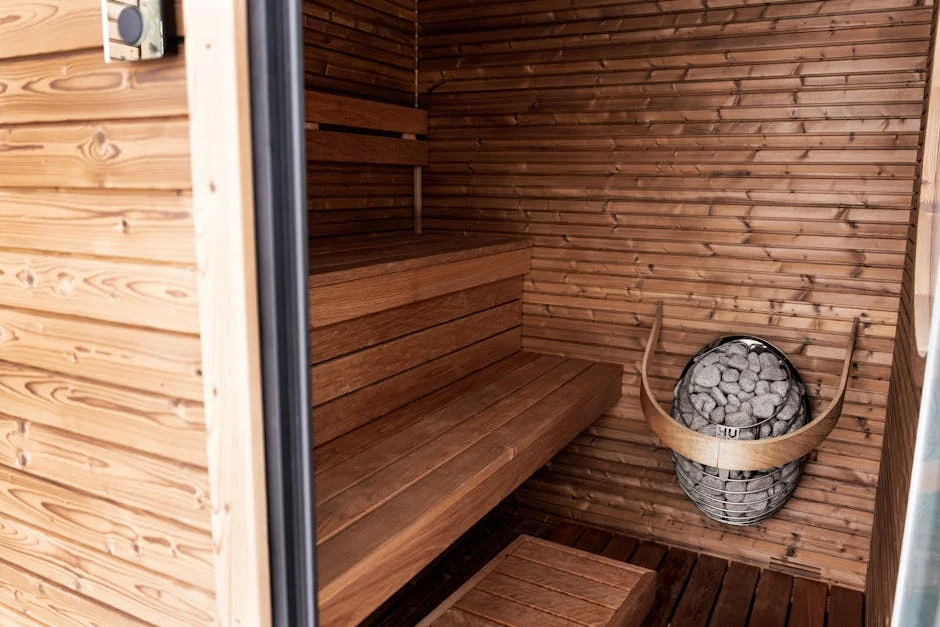
The most important purchase decision is whether the right sauna is a traditional Finnish-style steam sauna or an infrared unit. These are different products with different heat delivery mechanisms, different operating temperatures, and different ownership realities , not variations on the same experience.
Traditional saunas heat the air in the room and use sauna stones to generate löyly (steam) when water is poured over them. Operating temperatures range from 170, 195°F. The heat is ambient and immediate; the social and cultural tradition of sauna use is built around this format. Infrared saunas use radiant panels to heat occupants directly at lower ambient temperatures, which some users find more accessible but others describe as a fundamentally different experience.
For buyers primarily interested in infrared wellness use, the Far Infrared unit is the only appropriate match in this comparison.
Capacity and How to Read It Honestly
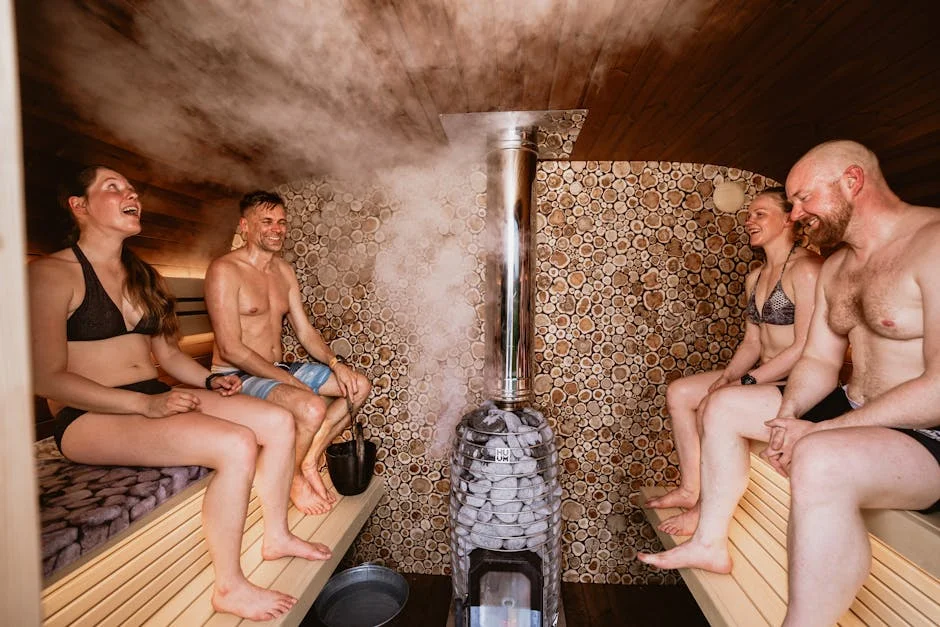
Manufacturer capacity claims for outdoor saunas are optimistic. A “4, 5 person” sauna at 6×6 feet can technically seat that many people, but the experience at full capacity is tight. Finnish sauna culture uses the concept of comfortable capacity , the number of people who can sit comfortably on benches without crowding , rather than maximum possible occupancy.
A realistic rule: size up if regular use will involve three or more adults simultaneously. Cramped sauna sessions undermine the purpose. The outdoor saunas that deliver the best long-term satisfaction are typically the ones buyers sized for their actual use patterns, not the minimum that fits the advertised headcount.
Electrical Requirements and Site Planning
This is not a self-installation task for most buyers , a licensed electrician should run the circuit, and the installation should be permitted if local codes require it.
The 240V circuit is often the primary hidden cost of an outdoor sauna installation. Buyers who budget for the sauna itself without accounting for electrical work, foundation preparation, and any required permits regularly report that their final installed cost was substantially higher than the product price alone. Pre-purchase consultation with a local electrician is strongly recommended.
Foundation and Drainage , What Manufacturers Don’t Cover
What “level” means in practice, what foundation type suits your soil conditions, and how to handle drainage around the base are questions that assembly manuals address inadequately.
A concrete slab is the most stable long-term option and the choice most resistant to settling and moisture wicking. A gravel pad with compacted base material is the most common DIY alternative. Pressure-treated deck framing is appropriate for sites where a permanent concrete pour isn’t practical. Each option has tradeoffs in cost, permanence, and moisture management. Local sauna installers , Minnesota-based builders like Dave Korhonen typically describe the foundation as half the job , consistently describe foundation preparation as the variable most correlated with long-term structural performance.
Maintenance Expectations by Wood Type
Cedar, hemlock, and thermally modified wood all require different maintenance regimens, and being realistic about this before purchase prevents frustration in year two and three of ownership.
Red cedar’s natural oils provide significant inherent protection, but exterior surfaces still benefit from a UV-protective sauna oil or stain every two to three years. Hemlock, without cedar’s oil content, needs sealing more frequently , annually on cut ends and joints in climates with significant precipitation. Thermally modified wood has improved moisture stability built in, but the modification process also makes the wood more brittle, which affects how it responds to impact and fastener loads over time.
Interior wood surfaces should not be painted, varnished, or sealed , the wood needs to breathe and should not off-gas chemicals at sauna temperatures. Exterior treatment and interior non-treatment is the consistent guidance across manufacturers and community experience alike.
Frequently Asked Questions
What’s the difference between a barrel sauna and a cube sauna for outdoor use?
A barrel sauna uses curved walls that concentrate radiated heat naturally toward the bench area and shed rain and snow without a separate roof structure. A cube sauna uses vertical walls, which offer more usable floor space and a contemporary aesthetic, but require more attention to ventilation placement for even heat distribution. Both formats perform well outdoors when built from appropriate materials , the choice is primarily about heat experience preference and visual fit with the property.
Do outdoor saunas require permits?
Most jurisdictions treat a permanent outdoor sauna as an accessory structure, which typically requires a building permit above a certain square footage threshold and an electrical permit for the 240V circuit. Requirements vary significantly by municipality , some areas have specific sauna ordinances, others treat them identically to sheds or outbuildings. Checking with the local building department before purchasing is strongly recommended, particularly if the property is subject to HOA rules or is in a floodplain.
Is a 4.5 kW heater sufficient for a 4, 5 person outdoor sauna?
For mild-climate or three-season use, a 4.5 kW heater in a 6×6 sauna room is functional. In climates with cold winters, verified buyer reports consistently describe longer heat-up times and difficulty sustaining temperatures above 160°F when ambient temperatures drop below freezing. The OUTEXER Outdoor Traditional Sauna uses a 4.5 kW heater , adequate for moderate conditions, but buyers in cold climates should factor this into the decision relative to 6 kW alternatives.
How does an infrared sauna differ from a traditional steam sauna outdoors?
An infrared sauna uses radiant panels to heat occupants directly at lower ambient temperatures , typically 120, 150°F , rather than heating the air of the room. Traditional steam saunas heat the air to 170, 195°F and allow water to be poured over heated stones for steam.
What foundation is best for an outdoor sauna on an uneven yard?
A concrete slab provides the most stable and moisture-resistant foundation for a permanent outdoor sauna. Where a concrete pour isn’t practical, compacted gravel with a treated wood frame perimeter is the most common alternative , it allows drainage, resists settling better than bare soil, and can be leveled with relative precision. Regardless of foundation type, verified level across the full base footprint before assembly begins is essential; door alignment and structural joint integrity both depend on it.
Where to Buy
OUTEXER Outdoor Traditional Sauna 4-5 Person Wooden Saunas, 6’x6’Steam Wet Finnish Carbonized Spruce Wood Sauna 240V with 4.5KW Heater,Sauna Stone,Water Bucket,Ladle,LED LightsSee OUTEXER Outdoor Traditional Sauna 4-5… on Amazon