Jeju Sauna Review: What Sets It Apart From Other

Affiliate disclosure: Some links on this page are affiliate links. If you buy through them we earn a small commission at no extra cost to you. This never influences which products we recommend — we only suggest things we'd buy ourselves. Product prices and availability are accurate as of the date published and are subject to change. Always check Amazon for current pricing before purchasing. Learn more.
Quick Picks
Almost Heaven Saunas Light Bar Set, 30" White Light Placed on Sauna Bench or Wall, Sauna Accessories for Traditional & Infrared Saunas, Includes Waterproof Power Supply, 10,000 Hours of Lighting
Quality construction suited to regular home sauna use
Buy on AmazonGeneric 3000W Traditional 2 Person at Home Sauna, Wooden Indoor Sauna Barrels, Canadian Centennial Hemlock Wood Sauna with Bluetooth for Meditation, Relaxation, Beauty & Family
Quality construction suited to regular home sauna use
Buy on AmazonGeneric 4-Person Outdoor Vertical Barrel Sauna, Qualified Cedar Wood Sauna with 6KW Harvia Electric Heater, Traditional Dry Sauna for Backyard, Garden & Home Use
Quality construction suited to regular home sauna use
Buy on Amazon| Product | Price Range | Top Strength | Key Weakness | Buy |
|---|---|---|---|---|
| Almost Heaven Saunas Light Bar Set, 30" White Light Placed on Sauna Bench or Wall, Sauna Accessories for Traditional & Infrared Saunas, Includes Waterproof Power Supply, 10,000 Hours of Lighting also consider | $$ | Quality construction suited to regular home sauna use | Confirm specifications match your specific installation space and electrical requirements | Buy on Amazon |
| Generic 3000W Traditional 2 Person at Home Sauna, Wooden Indoor Sauna Barrels, Canadian Centennial Hemlock Wood Sauna with Bluetooth for Meditation, Relaxation, Beauty & Family also consider | $$ | Quality construction suited to regular home sauna use | Confirm specifications match your specific installation space and electrical requirements | Buy on Amazon |
| Generic 4-Person Outdoor Vertical Barrel Sauna, Qualified Cedar Wood Sauna with 6KW Harvia Electric Heater, Traditional Dry Sauna for Backyard, Garden & Home Use also consider | $$ | Quality construction suited to regular home sauna use | Confirm specifications match your specific installation space and electrical requirements | Buy on Amazon |
If you’ve been researching home saunas long enough, you’ve probably landed on the term “Jeju sauna” and wondered what exactly separates it from a standard infrared or traditional steam setup. The concept draws from Korean jjimjilbang culture, emphasizing dry heat, natural materials, and a meditative atmosphere rather than aggressive temperature spikes.
This Jeju sauna review covers what makes this style worth considering, which home products come closest to replicating the experience, and how to shop for one without getting lost in a sea of confusing specs. Our full Sauna Reviews hub has broader category comparisons if you want additional context.
What Is a Jeju Sauna?
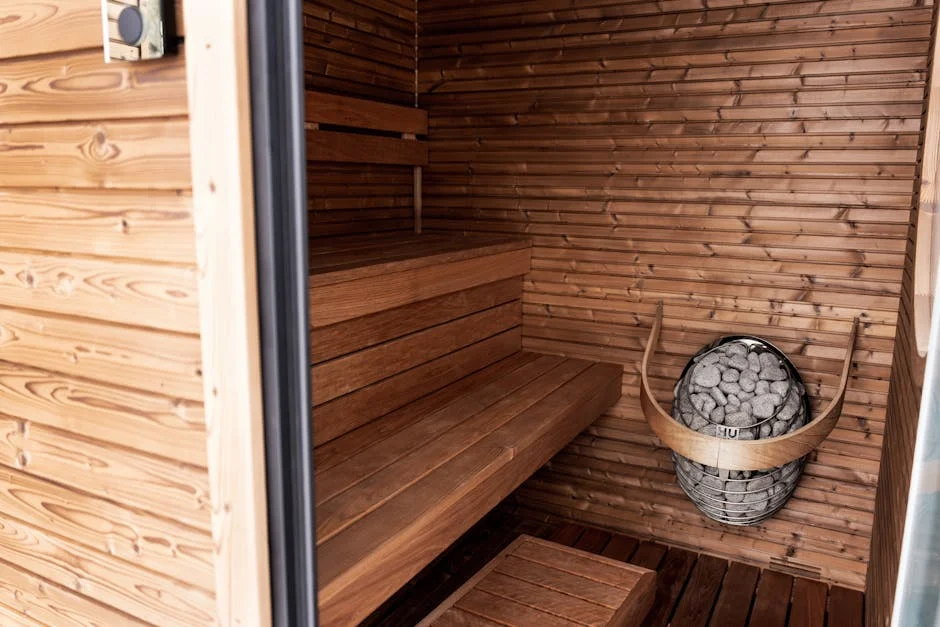
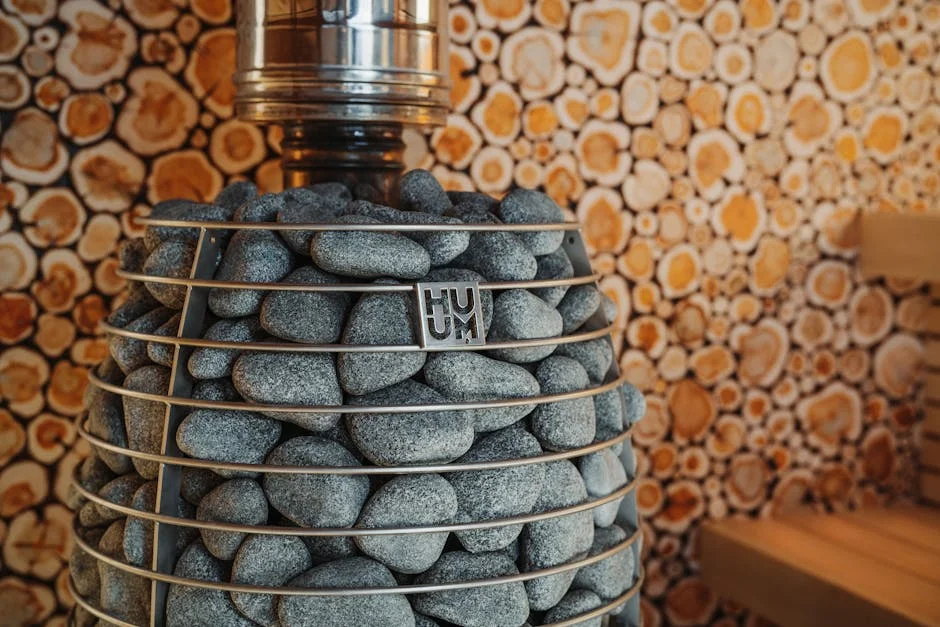
The term “Jeju sauna” is borrowed loosely from Korea’s Jeju Island, known for its volcanic rock hot springs and wellness traditions. In a home context, buyers use it to describe saunas that prioritize natural wood construction, lower-EMF heat sources, and a calm, grounding atmosphere. It is less about a specific heater technology and more about the overall philosophy: heat as restoration, not performance.
Traditional Korean jjimjilbangs use heated floors, natural stone, and communal spaces. Home adaptations trade the communal element for private, woodsy enclosures. Canadian hemlock, cedar, and similar softwoods are the materials most associated with this aesthetic. They absorb and radiate heat gradually, which r/Sauna community members consistently note as the key difference between a “spa feel” and a gym locker room feel.
What to Look for in a Jeju-Style Home Sauna
Before getting to specific products, it helps to understand what separates a well-built Jeju-inspired sauna from a generic box with a heater inside. The buying decisions break down into a few reliable categories.
Heater Quality and Wattage
The heater is the core of any traditional sauna. For a Jeju-style session, you generally want a heater capable of reaching 150 to 195 degrees Fahrenheit with enough thermal mass to hold temperature through the door opening and closing. Harvia’s published specifications for their KIP and M series heaters indicate that 1 kilowatt covers roughly 45 cubic feet of sauna space, which is a widely cited rule of thumb among sauna builders.
For a two-person sauna, a 3 kilowatt heater is a functional minimum. A four-person model should be sitting at 6 kilowatts or higher. Under-powered heaters are the most common complaint in verified buyer reviews, so match wattage to volume before anything else.
Heater placement also shapes the experience. Finnish tradition places the heater in a corner or center wall position, allowing convective heat to move through the room rather than radiating from a single spot. SaunaSeeker’s installation guides reinforce this principle for any traditional-style build.
Wood Selection and Construction Quality
Not all sauna wood performs equally under repeated heat cycles. Canadian hemlock and Nordic spruce resist warping and hold very little resin, which matters because resin pockets can become hot spots that burn skin on contact. Cedar is aromatic and naturally moisture-resistant, which r/Sauna members frequently cite as a reason to choose it for outdoor barrel saunas exposed to rain and temperature swings.
Tongue-and-groove paneling is the construction standard to look for. It allows natural expansion and contraction without gaps forming over time. Glued or nailed-only joints are a quality signal worth investigating in any mid-range product before purchasing.
Bench thickness also matters more than most buyers expect. Thinner benches flex under weight and tend to crack at stress points after a year or two of regular use. Look for bench boards that are at least 1.5 inches thick.
Electrical and Installation Requirements
This is where many first-time sauna buyers underestimate the planning involved. A 3 kilowatt heater at 240 volts draws around 12.5 amps, while a 6 kilowatt unit draws closer to 25 amps. Most homes require a dedicated circuit and potentially panel upgrades for the larger units. Minnesota-based installer Dave Korhonen, who does traditional builds out of the Minnetonka area, has noted in conversations that electrical prep is consistently the most overlooked step in residential sauna projects.
Always confirm your local permit requirements. Some jurisdictions treat saunas as permanent structures once they are hardwired, which triggers inspection and permit processes. A dedicated 240-volt circuit is the baseline for any heater above 2 kilowatts.
Ambiance and Accessories
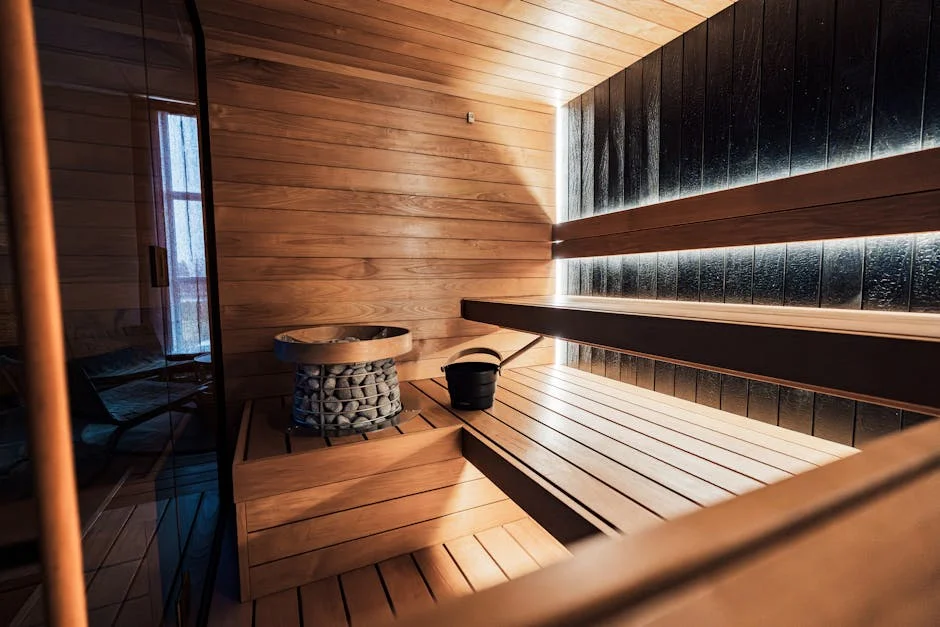
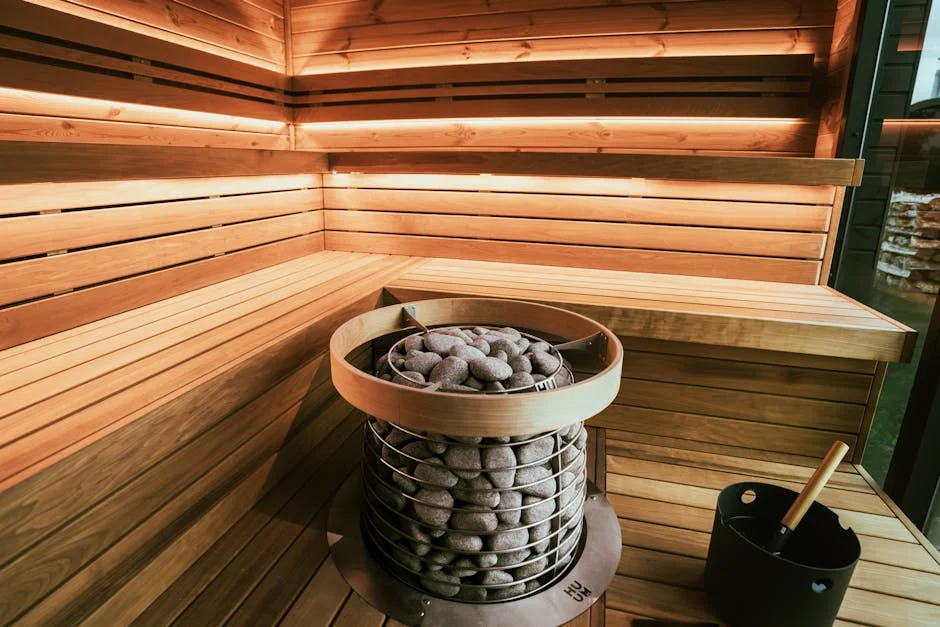
The Jeju sauna aesthetic depends as much on atmosphere as raw heat output. Lighting plays an outsized role. Low-level, warm-toned lighting encourages relaxation and mimics the filtered light of a traditional bathhouse far better than overhead fluorescents. Löyly accessories, birch ladles, hygrometers, and small eucalyptus additions are all part of constructing the right sensory environment.
For buyers researching the full category, our sauna product reviews and comparisons section covers accessory picks in more depth alongside full unit reviews.
Top Picks for Jeju-Style Home Saunas
Almost Heaven Saunas Light Bar Set, 30” White Light
The Almost Heaven Saunas Light Bar Set, 30” White Light is one of the more practical lighting upgrades available for buyers trying to complete a Jeju-inspired setup at home. Almost Heaven is a brand with a well-documented track record in the traditional sauna space, and this light bar reflects that general build philosophy. The 30-inch format fits naturally on a bench rail or upper wall section without requiring custom carpentry work.
The waterproof power supply is a specification detail that matters more than it initially sounds. Sauna environments cycle through high humidity when löyly is poured and dry heat periods in between. Verified buyer reviews on similar lighting products consistently flag moisture failure as the primary long-term failure point for sauna lights, so the waterproofing claim here is worth taking seriously. The published 10,000-hour rating places it in a reasonable tier for a product that may be running for 30 to 90 minutes per session.
White light in a sauna is a stylistic choice. The Jeju and Korean bathhouse tradition tends toward warmer, amber tones, so buyers pursuing that specific aesthetic may want to layer this with a secondary warm bulb or use it as a functional utility light rather than the primary mood source. For practical illumination during setup, cleaning, or reading, the brightness profile fits well.
Confirmed specifications indicate standard installation requirements. Buyers should verify that their sauna’s electrical layout accommodates the power supply without running cords across walking surfaces, which is a safety concern flagged repeatedly in r/Sauna installation threads.
Check current price on Amazon.
3000W Traditional 2 Person at Home Sauna
The 3000W Traditional 2 Person at Home Sauna in Canadian Centennial hemlock is one of the more complete entry points for buyers who want a traditional-style experience at a mid-range price. The 3,000 watt heater is sized appropriately for two-person use in a space of this volume. Hemlock is a credible wood choice for indoor installations, resisting warping through heat cycles and offering a relatively neutral scent profile compared to cedar.
The Bluetooth integration is a feature that divides buyer opinions. Traditional Finnish and Korean sauna philosophy places no value on connectivity, treating the sauna as a space for disconnecting. Practically speaking, the feature exists for users who want to control session timing or play ambient audio without bringing a phone into the heat. Verified buyers note that the audio quality is modest but functional for background use.
Construction quality at the mid-range price point warrants careful inspection upon delivery. R/Sauna community members who have purchased comparable hemlock units in this category consistently advise checking the bench joints and panel fits immediately after assembly, before first use. Gaps in tongue-and-groove panels are easier to address before the wood has gone through its first heat cycle.
For indoor barrel sauna buyers specifically, this unit’s footprint and door orientation should be confirmed against your available installation space. Barrel designs have narrower interior head clearance near the curved ceiling ends, which affects comfort for taller users.
Check current price on Amazon.
4-Person Outdoor Vertical Barrel Sauna
The 4-Person Outdoor Vertical Barrel Sauna with its 6kW Harvia electric heater is the product on this list most likely to satisfy buyers who want a serious, long-term outdoor installation. Harvia is a Finnish manufacturer with well-documented heater specifications, and their KIP series heaters (the likely basis for this unit’s included heater) are rated for consistent performance in traditional sauna temperature ranges.
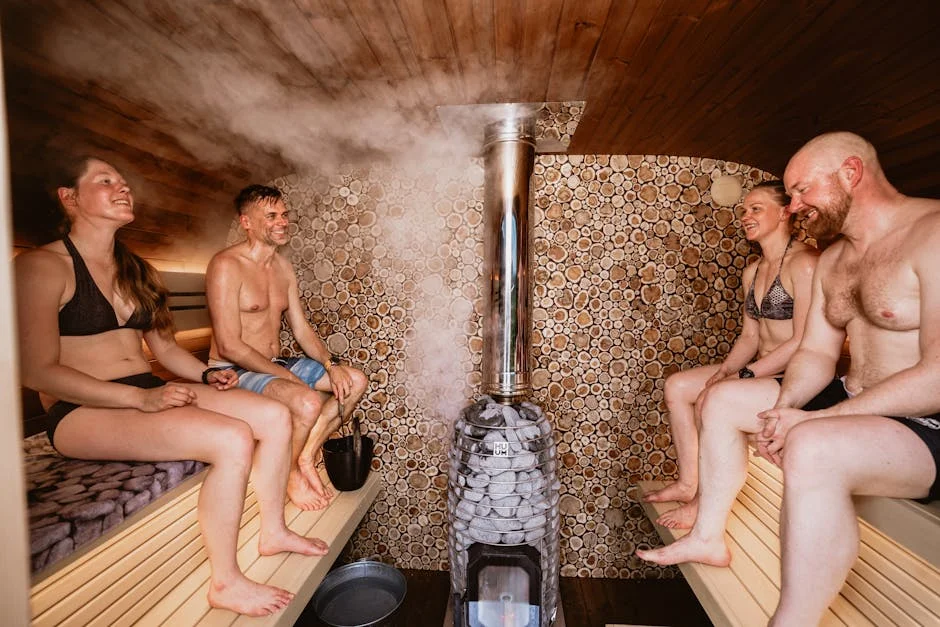
The vertical barrel format is worth understanding before purchasing. Unlike a horizontal barrel that seats bathers along its length, a vertical barrel configures more like a standard rectangular sauna room, with the cylindrical form primarily serving an aesthetic and structural role. This means more usable bench space per footprint and better heat distribution through a taller column of air. R/Sauna members frequently recommend vertical barrels over horizontal for groups larger than two because of this layout efficiency.
Cedar construction is appropriate for outdoor exposure. Cedar’s natural oils resist moisture absorption and inhibit the mold growth that becomes a concern in any outdoor sauna that sees rain, snow, and temperature swings. For Minnesota buyers or anyone in a cold-weather climate, this is a meaningful long-term advantage over hemlock or spruce outdoors.
The 6kW Harvia heater should be confirmed against your electrical panel capacity before ordering. Harvia’s published installation guidelines call for a dedicated 240-volt circuit, and at 6 kilowatts, you are looking at approximately 25 amps of draw. Panel upgrades or subpanel installations add cost and lead time that buyers sometimes discover only after the unit arrives.
Check current price on Amazon.
Frequently Asked Questions
What makes a sauna “Jeju style” compared to a standard home sauna?
The term Jeju sauna references Korean wellness culture, emphasizing natural materials, dry heat, and a calm, meditative atmosphere rather than aggressive temperatures. Home interpretations typically feature natural wood enclosures, lower lighting, and optional stone or volcanic mineral elements. It is more of an aesthetic and experiential philosophy than a distinct heater technology. Any well-built traditional sauna can approximate the experience with the right accessories and session approach.
How much space do I need for a two-person indoor sauna?
A two-person sauna typically requires a footprint of roughly 4 by 4 feet to 4 by 6 feet, depending on bench configuration and wall thickness. Ceiling height should be at least 7 feet to allow proper heat stratification, where hot air rises and users can choose their preferred temperature by adjusting bench level. Always add 12 to 18 inches around the exterior for installation access and airflow. Confirm your specific unit’s dimensions against your room measurements before ordering.
Is a 3kW heater enough for a two-person sauna?
According to Harvia’s published sizing guidelines, 1 kilowatt of heater capacity covers approximately 45 cubic feet of sauna interior volume. A compact two-person sauna in the 150 to 200 cubic foot range sits right at the edge of a 3kW heater’s effective range. In practice, verified buyer reviews suggest 3kW heaters reach target temperatures adequately in well-insulated indoor units, but take longer in drafty or poorly sealed spaces. If you live in a cold climate, sizing up to 4kW provides a comfortable margin.
Can I use a barrel sauna outdoors year-round in cold climates?
Cedar barrel saunas are regularly used year-round in Scandinavian and upper Midwest climates with proper preparation. The main considerations are covering or draining any water features in freezing temperatures, ensuring the heater is rated for the ambient cold it will need to overcome, and keeping the interior dry between sessions to prevent freeze-thaw damage to joints. R/Sauna members in Minnesota and Wisconsin consistently report successful year-round outdoor barrel sauna use with cedar construction and a sufficiently powerful heater.
What electrical setup does a home sauna require?
Most saunas above 2kW require a dedicated 240-volt circuit with amperage matched to the heater’s draw. A 3kW heater draws approximately 12 to 13 amps, while a 6kW unit draws approximately 25 amps. A licensed electrician should assess your existing panel before installation, as many older homes lack spare 240-volt capacity. Hardwired saunas may also require a building permit depending on your jurisdiction, so checking local code requirements before purchasing is strongly recommended.
<script type="application/ld+json">
{
"@context": "https://schema.org",
"@type": "FAQPage",
"mainEntity": [
{
"@type": "Question",
"name": "What makes a sauna 'Jeju style' compared to a standard home sauna?",
"acceptedAnswer": {
"@type": "Answer",
"text": "The term Jeju sauna references Korean wellness culture, emphasizing natural materials, dry heat, and a calm, meditative atmosphere rather than aggressive temperatures. Home interpretations typically feature natural wood enclosures, lower lighting, and optional stone or volcanic mineral elements. It is more of an aesthetic and experiential philosophy than a distinct heater technology. Any well-built traditional sauna can approximate the experience with the right accessories and session approach."
}
},
{
"@type": "Question",
"name": "How much space do I need for a two-person indoor sauna?",
"acceptedAnswer": {
"@type": "Answer",
"text": "A two-person sauna typically requires a footprint of roughly 4 by 4 feet to 4 by 6 feet, depending on bench configuration and wall thickness. Ceiling height should be at least 7 feet to allow proper heat stratification, where hot air rises and users can choose their preferred temperature by adjusting bench level. Always add 12 to 18 inches around the exterior for installation access and airflow. Confirm your specific unit's dimensions against your room measurements before ordering."
}
},
{
"@type": "Question",
"name": "Is a 3kW heater enough for a two-person sauna?",
"acceptedAnswer": {
"@type": "Answer",
"text": "According to Harvia's published sizing guidelines, 1 kilowatt of heater capacity covers approximately 45 cubic feet of sauna interior volume. A compact two-person sauna in the 150 to 200 cubic foot range sits right at the edge of a 3kW heater's effective range. In practice, verified buyer reviews suggest 3kW heaters reach target temperatures adequately in well-insulated indoor units, but take longer in drafty or poorly sealed spaces. If you live in a cold climate, sizing up to 4kW provides a comfortable margin."
}
},
{
"@type": "Question",
"name": "Can I use a barrel sauna outdoors year-round in cold climates?",
"acceptedAnswer": {
"@type": "Answer",
"text": "Cedar barrel saunas are regularly used year-round in Scandinavian and upper Midwest climates with proper preparation. The main considerations are covering or draining any water features in freezing temperatures, ensuring the heater is rated for the ambient cold it will need to overcome, and keeping the interior dry between sessions to prevent freeze-thaw damage to joints. R/Sauna members in Minnesota and Wisconsin consistently report successful year-round outdoor barrel sauna use with cedar construction and a sufficiently powerful heater."
}
},
{
"@type": "Question",
"name": "What electrical setup does a home sauna require?",
"acceptedAnswer": {
"@type": "Answer",
"text": "Most saunas above 2kW require a dedicated 240-volt circuit with amperage matched to the heater's draw. A 3kW heater draws approximately 12 to 13 amps, while a 6kW unit draws approximately 25 amps. A licensed electrician should assess your existing panel before installation, as many older homes lack spare 240-volt capacity. Hardwired saunas may also require a building permit depending on your jurisdiction, so checking local code requirements before purchasing is strongly recommended."
}
}
]
}
</script>Where to Buy
Almost Heaven Saunas Light Bar Set, 30" White Light Placed on Sauna Bench or Wall, Sauna Accessories for Traditional & Infrared Saunas, Includes Waterproof Power Supply, 10,000 Hours of LightingSee Almost Heaven Saunas Light Bar Set, 3… on Amazon