Traditional Indoor Sauna Buyer's Guide: Steam Heat Options

Affiliate disclosure: Some links on this page are affiliate links. If you buy through them we earn a small commission at no extra cost to you. This never influences which products we recommend — we only suggest things we'd buy ourselves. Product prices and availability are accurate as of the date published and are subject to change. Always check Amazon for current pricing before purchasing. Learn more.
Quick Picks
OUTEXER Traditional Steam Sauna Home Spa Room for 2-3 Person Steam Wet Indoor Saunas with 240V 3KW Heater,Sauna Stone, Water Bucket, Ladle, LED Lights
Quality construction suited to regular home sauna use
Buy on AmazonX-Vcak 2 Person Sauna, Extra Large Sauna, Portable Steam Sauna Tent with 2 Steamers, 2 Folding Chair, 71”x 49”x 36”, Black
Quality construction suited to regular home sauna use
Buy on AmazonGeneric 3 Person Infrared Sauna 0-5mG Ultra Low EMF Far Infrared Sauna for Home 2130W/20A Canadian Hemlock Indoor Sauna with Front Door Heating Panel, Chromotherapy Lights
Quality construction suited to regular home sauna use
Buy on Amazon| Product | Price Range | Top Strength | Key Weakness | Buy |
|---|---|---|---|---|
| OUTEXER Traditional Steam Sauna Home Spa Room for 2-3 Person Steam Wet Indoor Saunas with 240V 3KW Heater,Sauna Stone, Water Bucket, Ladle, LED Lights best overall | $$$ | Quality construction suited to regular home sauna use | Confirm specifications match your specific installation space and electrical requirements | Buy on Amazon |
| X-Vcak 2 Person Sauna, Extra Large Sauna, Portable Steam Sauna Tent with 2 Steamers, 2 Folding Chair, 71”x 49”x 36”, Black also consider | $$$ | Quality construction suited to regular home sauna use | Confirm specifications match your specific installation space and electrical requirements | Buy on Amazon |
| Generic 3 Person Infrared Sauna 0-5mG Ultra Low EMF Far Infrared Sauna for Home 2130W/20A Canadian Hemlock Indoor Sauna with Front Door Heating Panel, Chromotherapy Lights also consider | $$$ | Quality construction suited to regular home sauna use | Confirm specifications match your specific installation space and electrical requirements | Buy on Amazon |
| MEISSALIVVE Full Spectrum Infrared Sauna,2-3 Person Home Sauna,Wooden Canadian Hemlock Indoor Spa Sauna with Resonance Speaker, Panoramic Tempered Glass Door also consider | $$$ | Quality construction suited to regular home sauna use | Confirm specifications match your specific installation space and electrical requirements | Buy on Amazon |
| Portable Steam Sauna Tent for Home 3L Infrared Sauna for Indoor, Outdoor, Gym, Spa also consider | $$$ | Quality construction suited to regular home sauna use | Confirm specifications match your specific installation space and electrical requirements | Buy on Amazon |
Home sauna culture in North America has shifted , what was once a fixture of Nordic tradition is now a practical home wellness installation for a growing number of buyers. The challenge is matching the right format to your space: a traditional steam room built around wet heat operates very differently from a portable steam tent or an infrared cabin, and each carries distinct installation requirements. A hub like Indoor Saunas covers the full landscape of options, but this guide focuses on the traditional and steam-forward end of the spectrum.
The buying decisions here are not trivial. Electrical requirements, ventilation, floor protection, and spatial clearances all vary by format , and the differences between a pre-built sauna room, a portable tent, and an infrared cabin matter before you commit to a purchase.
What to Look For in an Indoor Traditional Sauna
Heat Type and the Steam Experience
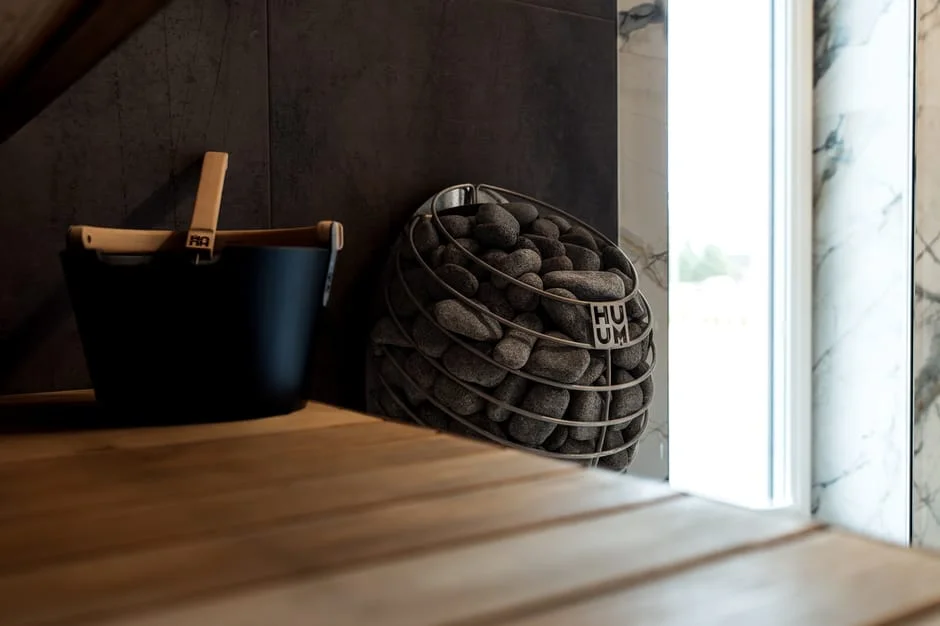
Traditional sauna culture centers on wet heat , the practice of pouring water over heated stones to release a burst of steam called löyly. The heat-to-humidity relationship is what defines the experience: high temperatures paired with controlled steam create the environment Finnish and Nordic traditions have built around for generations. Not every product marketed as a “traditional sauna” delivers this. Some use dry infrared heat, some use steam generators that produce more mist than genuine wet heat, and some combine formats in ways that compromise both.
Understanding which type of heat you want is the first decision in this category. Infrared saunas heat the body directly rather than the air, run at lower ambient temperatures, and do not support the water-over-stones ritual. Steam saunas using a dedicated heater and stones replicate the traditional experience more authentically. Owners who care about löyly , and the community of serious sauna users consistently cares , prioritize heater wattage and stone capacity over every other specification.
If the traditional experience is the priority, the heater is the core of the product. Everything else supports it.
Heater Wattage and Room Volume
A sauna heater must match the volume of the space it’s heating. The general principle: one kilowatt of heater capacity serves roughly 50 cubic feet of insulated sauna space. A 3KW heater in a well-insulated 2, 3 person room can reach temperature in 30, 45 minutes under normal conditions. Underpower the heater for the room and the sauna never reaches proper operating temperature , typically 160, 185°F for traditional wet heat. Overpower it and you have a safety and comfort problem in the other direction.
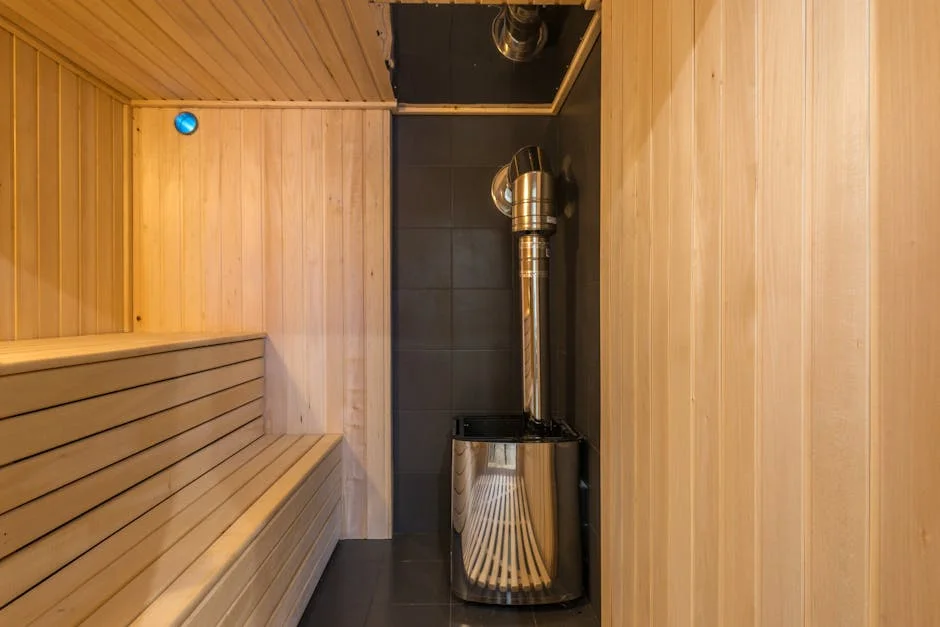
Heater voltage matters as much as wattage. Many residential heaters in this category require a dedicated 240V circuit , this is not a plug-into-any-outlet installation. Buyers without a 240V outlet in their planned installation space need to factor in licensed electrical work, which affects the total cost and timeline of the installation.
Installation Space and Ventilation
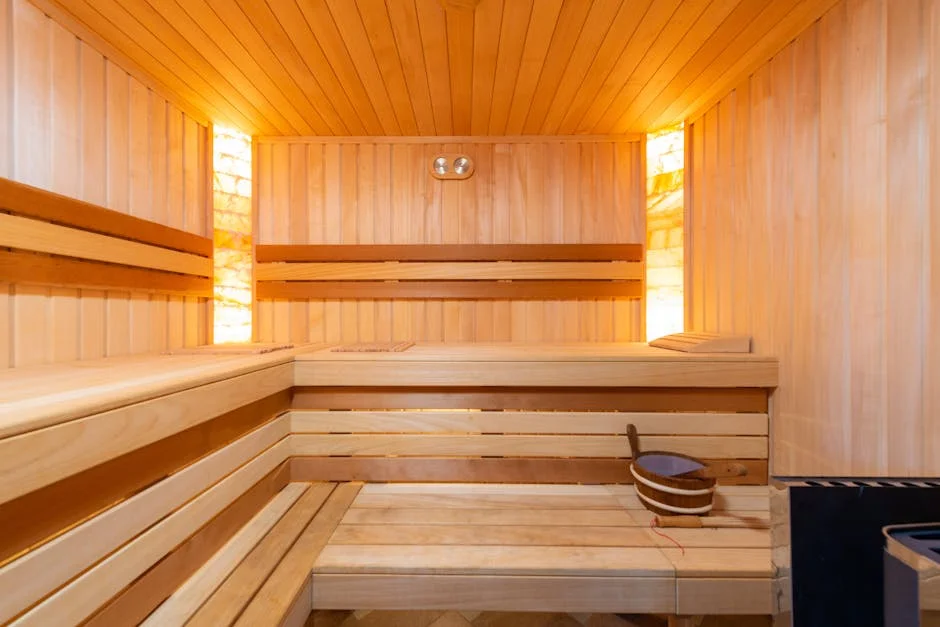
A pre-built sauna room requires floor area, ceiling clearance, and typically a dedicated electrical circuit. Most 2, 3 person pre-built rooms occupy a 4×4 to 5×5 foot footprint and need ceiling heights of at least 7 feet for proper heat stratification. The upper third of the room reaches the highest temperatures , bench placement matters for the quality of the experience.
Ventilation is a separate requirement that many buyers underestimate. A sauna room needs an intake vent low on one wall and an exhaust vent either high on the opposite wall or through the floor , air circulation prevents moisture buildup, protects the structure, and maintains healthy air quality during use. Without proper ventilation, even a well-built sauna room will develop moisture damage over time.
Permitting and Electrical Requirements
Many buyers are surprised to learn that indoor sauna installations , particularly those requiring a dedicated 240V circuit , may require an electrical permit in their municipality. The installation of a new circuit by a licensed electrician typically triggers a permit requirement. Some jurisdictions also require a building permit for a pre-built room if it is considered a permanent structure.
The practical guidance: check with your local building department before purchasing a pre-built sauna room. Permit requirements vary significantly by location and structure type. Portable steam tents generally do not trigger permit requirements because they use standard household current and are not permanent structures. Exploring the full spectrum of home sauna formats before making a permanent installation decision is worth the time.
Material Quality and Wood Selection
Traditional sauna construction uses specific wood species for specific reasons. Canadian hemlock and Nordic spruce are common in pre-built rooms , both have low resin content, which prevents the wood from releasing irritating compounds at high temperatures. Cedar is sometimes used for its natural antimicrobial properties and scent, though some users are sensitive to the aromatic compounds.
Material quality in the heater surround, bench supports, and door seals determines how well the unit holds heat and how long it lasts under regular use. Pre-built rooms with thin wall panels lose heat faster and require the heater to work harder to maintain temperature. Verified owners of quality-built pre-built rooms note that well-insulated panels are the most consequential specification for consistent performance.
Top Picks
OUTEXER Traditional Steam Sauna Home Spa Room for 2-3 Person
The OUTEXER Traditional Steam Sauna Home Spa Room for 2-3 Person is built around the format that traditional sauna culture demands: a pre-built room with a 3KW wet-heat heater, sauna stones, a water bucket, and ladle included. For buyers who want the löyly experience without sourcing components separately, the package approach here has genuine practical value.
The 240V electrical requirement is the central installation consideration. This is not an optional specification , the 3KW heater at this voltage requires a dedicated circuit, and buyers without one in their planned location need to budget for licensed electrical work before installation. Verified buyers note that once the electrical work is addressed, the setup process is straightforward for a pre-built room of this type.
The 2, 3 person capacity and the inclusion of LED lighting make this a well-specified room for a primary home sauna installation. Owner reports point consistently to solid panel construction and reliable heat-up times. For buyers comparing this category, this unit represents the authentic traditional format at a level of completeness that avoids the common problem of purchasing a sauna room and then needing to separately source accessories.
Check current price on Amazon.
X-Vcak 2 Person Sauna Extra Large Portable Steam Sauna Tent
The 71” × 49” × 36” footprint accommodates two people with more lateral space than most single-person steam tents, and the dual-steamer configuration is the meaningful differentiator here , two steam generators mean faster heat-up and more sustained steam output than a single-steamer equivalent.
The portable category solves the permitting and permanent installation questions entirely. Because this tent runs on standard household current and is not a fixed structure, there are no permit considerations and no electrical upgrade requirements. Setup and breakdown are practical for buyers who need flexibility , renters, buyers with limited dedicated space, or those who want to assess their commitment to regular sauna use before investing in a permanent installation.
The trade-off relative to a pre-built room is the experience: steam tent heat is less consistent than an insulated sauna room, ambient temperatures are lower, and the format does not replicate the stone-and-water ritual of traditional wet heat. For buyers whose priority is the functional steam experience at lower commitment and cost, owner consensus points to the X-Vcak as a capable option in this portable tier.
Check current price on Amazon.
3 Person Infrared Sauna 0-5mG Ultra Low EMF Far Infrared Sauna
The 3 Person Infrared Sauna 0-5mG Ultra Low EMF Far Infrared Sauna takes a different approach to home sauna heat entirely. This is an infrared cabin , not a traditional steam sauna. The distinction matters: infrared panels heat the body directly at lower ambient temperatures (typically 120, 140°F) rather than heating the air to traditional sauna temperatures and adding steam. There is no stone heater, no löyly, and no wet heat in this format.
What this unit offers instead: Canadian hemlock construction rated for 3 people, front-door heating panels for direct radiant warmth, chromotherapy lighting, and an ultra-low EMF specification that the r/Sauna community consistently identifies as a meaningful differentiator among infrared buyers. At 2130W/20A, this unit operates on standard 240V residential service and does not require the same dedicated circuit as a higher-wattage wet heater.
The case for this unit is strong for buyers whose interest is in the recovery and relaxation benefits associated with infrared heat, particularly those who find traditional high-temperature steam environments uncomfortable. Buyers seeking the traditional Finnish sauna experience should be clear that this format does not deliver it. The two product types serve overlapping but distinct buyer needs.
Check current price on Amazon.
MEISSALIVVE Full Spectrum Infrared Sauna 2-3 Person
The MEISSALIVVE Full Spectrum Infrared Sauna 2-3 Person represents the premium end of the infrared cabin segment in this comparison. Full-spectrum infrared , combining near, mid, and far infrared wavelengths , is a specification that positions this unit above standard far-infrared-only cabins. Manufacturer specifications indicate that full-spectrum emitters address a broader range of tissue depths than far-infrared alone, which is the primary claim in this product tier.
The panoramic tempered glass door and resonance speaker system are comfort and aesthetics features that distinguish this cabin from utilitarian infrared options. Canadian hemlock construction is consistent with the standard for quality pre-built sauna rooms in this format. Verified buyers note the build quality as a consistent strength.
This unit is for buyers who have already decided on infrared over traditional steam and want the most complete cabin experience in this size class. For that specific buyer, the full-spectrum specification and the panoramic door represent genuine differentiators. Buyers primarily comparing steam and infrared formats should read this alongside the OUTEXER and the 3-person infrared cabin , the decision between formats precedes the decision between products at this level.
Check current price on Amazon.
Portable Steam Sauna Tent for Home
The 3L steam generator and portable tent configuration deliver a functional steam experience without any installation, electrical upgrading, or permitting considerations. It is a single-person format designed for straightforward use: set it up, fill the generator, and the steam experience is available within minutes.
Owner reports confirm the practical value for buyers who want regular steam access without committing to a permanent sauna installation. The functional ceiling here is lower than a pre-built room , steam consistency, temperature range, and longevity under heavy use are all more limited in a portable tent than in a fixed structure. For buyers who use a sauna two or three times a week as a primary wellness routine, the long-term value of a permanent room is higher. For buyers testing the habit or managing space constraints, this format’s accessibility is its primary argument.
The infrared labeling in the product name is worth noting: this is primarily a steam tent, and the infrared component is secondary to the steam function.
Check current price on Amazon.
Buying Guide
Steam vs. Infrared: The First Decision
The single most consequential buying decision in the indoor sauna category is the choice between traditional steam heat and infrared heat. These are not interchangeable experiences, and marketing language sometimes obscures the difference. Traditional steam saunas , including wet-heat rooms with stone heaters , operate at 160, 185°F with variable humidity, support the water-over-stones ritual, and replicate the environment Finnish sauna culture is built around. Infrared cabins run at lower temperatures, heat the body directly, and do not support steam generation in the traditional sense.
Neither format is categorically superior. The right choice depends on what the buyer actually wants from the experience. r/Sauna members and sauna enthusiasts who prioritize the cultural and sensory dimensions of traditional sauna use are consistent in preferring wet heat. Buyers whose primary interest is the wellness and recovery applications associated with infrared heat , or who find high-temperature steam environments physically uncomfortable , are often better served by an infrared cabin. Making this decision before comparing specific products saves considerable time.
Permanent Room vs. Portable Tent
Pre-built sauna rooms and portable steam tents solve different problems. A pre-built room is a medium-term installation , it requires floor space, electrical work, ventilation planning, and in some cases a permit. In return, it delivers a more consistent heat environment, longer operational lifespan, and an experience that is meaningfully closer to a dedicated sauna than any portable format can match.
Portable tents require none of that infrastructure. They run on standard household current, set up and break down in minutes, and impose no structural requirements on the space. The trade-off is a ceiling on performance: steam consistency, temperature range, and durability under frequent heavy use are all lower in the portable format. Buyers who are testing their commitment to regular sauna use, managing rental restrictions, or working with very limited space have legitimate reasons to start with the portable format. Buyers who are certain about long-term regular use and have appropriate space should look at the pre-built options first.
Exploring the indoor sauna options in both categories before committing is particularly valuable in this decision , the gap between portable and permanent is significant enough that it affects the total ownership calculation.
Electrical Planning
Electrical requirements are a hidden cost that surprises many buyers in this category. Most pre-built sauna rooms with wet-heat heaters in the 3KW range require a dedicated 240V circuit. Standard residential wiring in North American homes runs on 120V for most outlets , a 240V circuit for a sauna typically means hiring a licensed electrician to run a new circuit from the panel.
The cost and timeline of this work vary by home and location, but it is rarely trivial. Buyers should assess whether a 240V outlet already exists in the planned installation space, and if not, get an electrician’s estimate before finalizing a product decision. Infrared cabins in the 2000, 2200W range often require 20A/240V service, which is a lower threshold but still typically requires a dedicated circuit. Portable steam tents generally run on standard 120V 15A household current and require no electrical upgrade.
Space and Ventilation Planning
Pre-built 2, 3 person sauna rooms occupy roughly 16, 25 square feet of floor area and require ceiling clearance of at least 7 feet. Buyers should measure not just the footprint but the path from the delivery point to the installation space , sauna room panels are large and do not always navigate interior hallways and stairwells easily.
Ventilation is a functional requirement, not a preference. A sauna room without proper air exchange will accumulate moisture, degrade the wood structure over time, and create an uncomfortable user environment. Planning for intake and exhaust vents before installation , rather than after moisture problems appear , is the consistent advice from experienced sauna owners and installers.
Permit and Code Requirements
The permitting question depends on two factors: the electrical work and the structural classification of the installation. A new 240V circuit almost always requires an electrical permit pulled by the licensed electrician doing the work. Whether the sauna room itself requires a building permit depends on local codes and whether the structure is classified as permanent.
Buyers should contact their local building department before purchasing a pre-built room. In most cases, a pre-built sauna room assembled indoors does not require a building permit , but local rules vary, and finding out after installation is more costly than finding out before. Portable tents, by contrast, are universally exempt from these requirements.
Frequently Asked Questions
What is the difference between a traditional steam sauna and an infrared sauna?
A traditional steam sauna heats the air to high temperatures , typically 160, 185°F , and allows the user to add humidity by pouring water over heated stones. An infrared sauna uses radiant panels to heat the body directly at lower ambient temperatures, usually 120, 140°F, without steam or the stone-and-water ritual. The experiences are distinct: traditional saunas replicate the Finnish cultural practice, while infrared saunas are often favored for their lower-temperature accessibility and recovery applications.
Do I need a dedicated electrical circuit to install a pre-built indoor sauna?
Most pre-built sauna rooms with wet-heat heaters in the 3KW range require a dedicated 240V circuit , this is not a standard household outlet. Installing a new 240V circuit requires a licensed electrician and typically involves an electrical permit. Infrared cabins in the 2000W range may also need a dedicated 20A circuit. Before purchasing, assess whether your planned installation space already has appropriate electrical service and factor in electrician costs if it does not.
Is a portable steam tent a good substitute for a permanent sauna room?
A portable steam tent delivers a functional steam experience without any installation, electrical upgrade, or permitting requirements. The trade-off is performance: steam consistency, temperature range, and long-term durability under frequent use are all lower than a pre-built room. For buyers testing whether regular sauna use suits them, or those with space or rental restrictions, a portable tent is a practical starting point. Buyers committed to a regular sauna practice will typically find a pre-built room worth the additional investment.
How much space does a 2, 3 person pre-built sauna room require?
Most 2, 3 person pre-built sauna rooms occupy a footprint of roughly 16, 25 square feet and require a minimum ceiling height of around 7 feet for proper heat stratification. Buyers should also account for the clearance needed to open the door and the practical question of routing large panel pieces through interior hallways to the installation space. Measure both the installation room and the delivery path before purchasing.
Do I need a permit to install an indoor sauna?
Permitting requirements vary by location and installation type. A new 240V electrical circuit , required by most pre-built wet-heat sauna rooms , will almost always require an electrical permit pulled by the licensed electrician doing the work. Whether the sauna room structure itself requires a building permit depends on local codes. The consistent advice from experienced owners: check with your local building department before purchasing.
Where to Buy
OUTEXER Traditional Steam Sauna Home Spa Room for 2-3 Person Steam Wet Indoor Saunas with 240V 3KW Heater,Sauna Stone, Water Bucket, Ladle, LED LightsSee OUTEXER Traditional Steam Sauna Home … on Amazon