Home Outdoor Sauna Buyer's Guide: Find Your Perfect Fit

Affiliate disclosure: Some links on this page are affiliate links. If you buy through them we earn a small commission at no extra cost to you. This never influences which products we recommend — we only suggest things we'd buy ourselves. Product prices and availability are accurate as of the date published and are subject to change. Always check Amazon for current pricing before purchasing. Learn more.
Quick Picks
Outdoor Traditional Sauna, 4-6 Person Wooden Sauna, Steam Wet Wood Sauna with 220V with 6KW Heater, Sauna Stone, Thermometer
All-weather construction built for year-round outdoor use
Buy on AmazonGeneric 74" Outdoor 4-6 Person Barrel Sauna | White Cedar Sauna with 6kW TOULE Heater, ETL Certified, Clear Tempered Glass Door, Asphalt Shingles, Chroma Lights, Ergonomic Benches, and DIY Friendly
All-weather construction built for year-round outdoor use
Buy on AmazonEuroSauna 2-Person Outdoor Barrel Sauna with Shingles, Lighting, & 6kW Harvia Sauna Heater, 81x59
All-weather construction built for year-round outdoor use
Buy on Amazon| Product | Price Range | Top Strength | Key Weakness | Buy |
|---|---|---|---|---|
| Outdoor Traditional Sauna, 4-6 Person Wooden Sauna, Steam Wet Wood Sauna with 220V with 6KW Heater, Sauna Stone, Thermometer best overall | $$$ | All-weather construction built for year-round outdoor use | Requires level ground preparation and appropriate weather sealing | Buy on Amazon |
| Generic 74" Outdoor 4-6 Person Barrel Sauna | White Cedar Sauna with 6kW TOULE Heater, ETL Certified, Clear Tempered Glass Door, Asphalt Shingles, Chroma Lights, Ergonomic Benches, and DIY Friendly also consider | $$$ | All-weather construction built for year-round outdoor use | Requires level ground preparation and appropriate weather sealing | Buy on Amazon |
| EuroSauna 2-Person Outdoor Barrel Sauna with Shingles, Lighting, & 6kW Harvia Sauna Heater, 81x59 also consider | $$$ | All-weather construction built for year-round outdoor use | Requires level ground preparation and appropriate weather sealing | Buy on Amazon |
| Generic 4-6 Person Outdoor Barrel Sauna - Premium White Pine Wood, All-Weather Design for Backyard Relaxation also consider | $$$ | All-weather construction built for year-round outdoor use | Requires level ground preparation and appropriate weather sealing | Buy on Amazon |
| Customize Outdoor Barrel Sauna with Porch,Wood Burning Stove or Electric Stove,4-8 Person DIY Wooden Sauna Kit also consider | $$$ | All-weather construction built for year-round outdoor use | Requires level ground preparation and appropriate weather sealing | Buy on Amazon |
Home outdoor saunas have moved well past backyard novelty , they’re a genuine long-term investment in how you use your property through every season. The challenge is that the market spans a wide range of sizes, wood types, heater configurations, and construction quality, and the differences between a sauna that lasts fifteen years and one that degrades in five often aren’t obvious from a listing photo. This guide draws on manufacturer specifications, owner reports, and community field experience across the outdoor sauna category to help you choose with confidence.
The evaluation criteria matter before the product names do. Wood species, heater output, wall thickness, and installation requirements all affect whether a specific model is the right fit for your yard, your climate, and your household size.
What to Look For in a Home Outdoor Sauna
Wood Species and Long-Term Weather Performance
The wood a sauna is built from determines more about its outdoor lifespan than any other single factor. Cedar , particularly white cedar and western red cedar , is the most common choice for outdoor-rated saunas, and for good reason. Cedar contains natural oils that resist moisture absorption, inhibit mold and fungal growth, and help the wood maintain dimensional stability through freeze-thaw cycles. Owner reports across cold-climate installations consistently note that cedar exteriors hold up well with minimal maintenance in harsh winters.
Thermo wood is a different category. It’s softwood , typically spruce or pine , that has been heat-treated at high temperatures, which drives out the resins and sugars that microorganisms feed on. The result is a dimensionally stable, rot-resistant material that performs comparably to cedar in wet conditions. Hemlock is a third option: denser than cedar, with a tighter grain, and valued for its low resin content on interior surfaces where heat contact is frequent.
Each species brings trade-offs. Cedar tends to be lighter, easier to work with during assembly, and familiar to the sauna community. Thermo wood offers comparable durability at potentially different price points. Hemlock is excellent for interior benches and walls where smooth, low-resin surfaces matter most. For outdoor installations specifically, the exterior wood species and the quality of the joinery and sealing are the combination that determines weather performance over time.
Heater Output, Certification, and Heat-Up Time
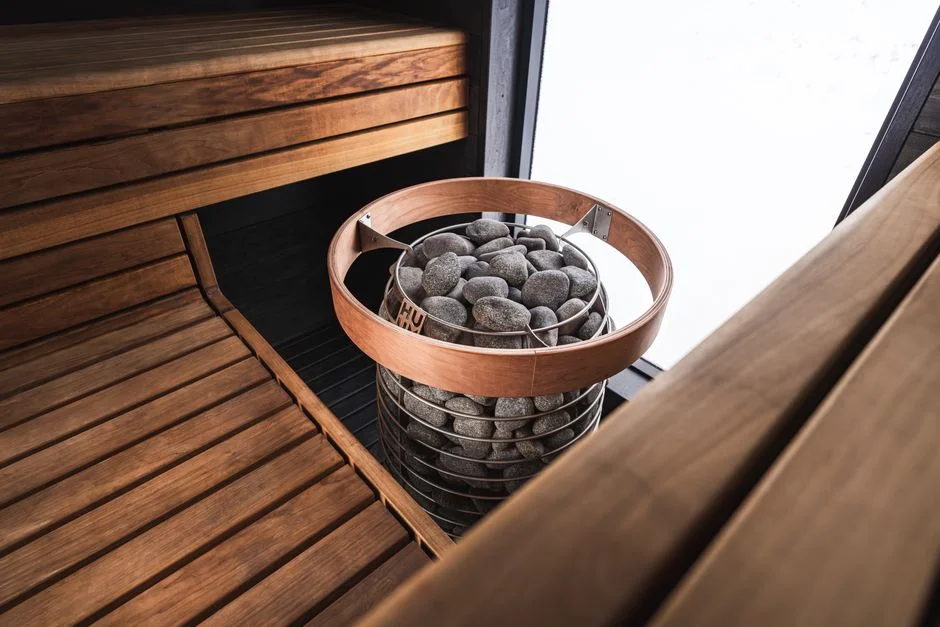
Heater selection is where buyers frequently underestimate how much specifics matter. Output is measured in kilowatts, and matching that output to the cubic footage of the sauna room is the starting calculation. A general field benchmark, cited frequently in r/Sauna discussions and supported by manufacturer guidance, is roughly 1 kW per 45, 50 cubic feet of sauna volume , though wall thickness, insulation quality, and outdoor ambient temperature all affect actual heat-up time in practice.
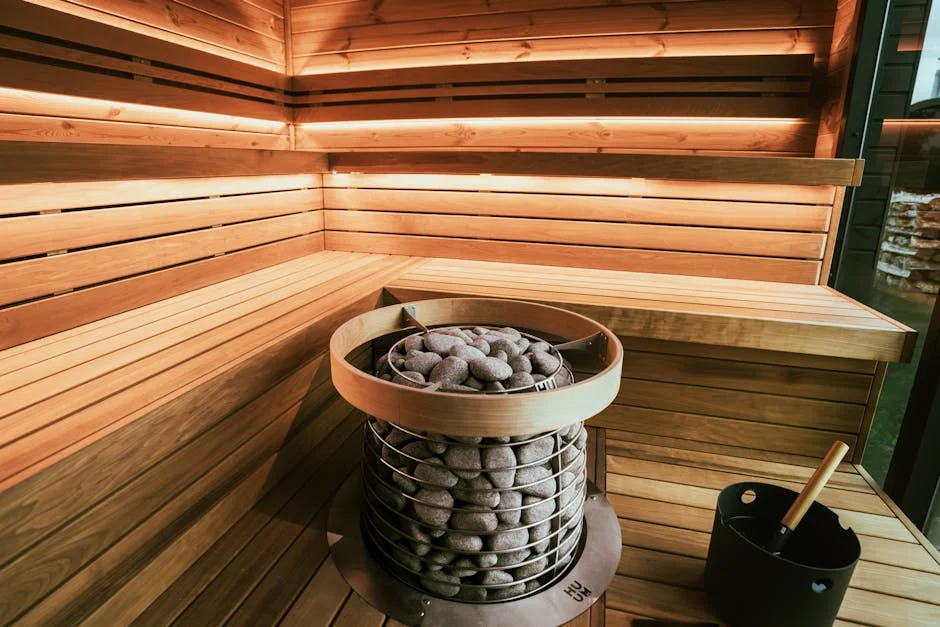
Certification matters for outdoor installations. ETL certification (evaluated by Intertek) is the standard for North American markets , it confirms the heater has been tested to established safety standards. Harvia is among the most consistently recommended heater brands in the r/Sauna community, with a reputation for reliable thermostats, durable elements, and broad compatibility with sauna stone loads. Third-party or generic heaters warrant more scrutiny of certification documentation before purchase.
Heat-up time affects daily usability. A well-matched heater in a properly insulated outdoor sauna should reach target temperature , typically 160, 195°F for a traditional steam session , within 30 to 60 minutes. Models that consistently require 90+ minutes to heat in mild weather are usually undersized for their room volume.
Size, Footprint, and Site Preparation
Capacity ratings on barrel and cabin saunas are guidelines, not guarantees. A four-person rating on a compact barrel sauna may reflect a manufacturer’s generous interpretation of bench space. Owner reviews are a more reliable signal than capacity labels , verified buyers will describe actual comfortable capacity and whether the bench layout supports the session style they use.
Footprint planning requires more than measuring the sauna’s exterior dimensions. You need clearance from structures (typically 18, 24 inches minimum on combustible sides), a level base , gravel, compacted stone, or concrete pavers are common choices , and, for electric heaters, access to the appropriate electrical service. Most 6 kW heaters in this category require a 240V / 30A dedicated circuit. That electrical run is a real installation cost that should be factored before purchase, not after.
A full overview of configuration options, from compact two-person barrels to larger cabin-style builds, is worth reading through on the outdoor sauna options page before narrowing to a specific model.
Ventilation, Door Construction, and Interior Details
Ventilation in an outdoor sauna is a functional requirement, not a comfort bonus. Adequate air exchange , typically an intake vent low near the heater and an exhaust vent positioned higher on an opposite wall , maintains oxygen levels and allows moisture to cycle out between sessions. Saunas without proper ventilation design accumulate moisture that degrades wood and benches over time.
Door construction affects both heat retention and long-term durability. Tempered glass doors allow light into the sauna room and are standard on better-built units , clear tempered glass holds up to the thermal cycling of repeated heat-and-cool cycles without crazing or failure the way standard glass does not. Wooden doors with tight seals are the traditional option and retain heat marginally better in very cold climates.
Ergonomic bench design, interior lighting, and chroma light options are secondary considerations but affect daily use meaningfully. Benches that allow comfortable reclining , not just seated postures , make longer sessions more practical. Asphalt shingle or metal roof construction on cabin-style units affects drainage and longevity in wet climates.
Top Picks
Outdoor Traditional Sauna, 4-6 Person Wooden Sauna
Outdoor Traditional Sauna, 4-6 Person Wooden Sauna is built for buyers who want a straightforward, cabin-style outdoor sauna without optional features inflating the configuration. The construction targets year-round outdoor use, with materials and joinery suited to temperature variation and precipitation exposure. The included 6 kW / 220V heater is matched reasonably well to the room volume for a 4, 6 person sauna, and the inclusion of sauna stones and a thermometer means the kit is more complete than many competing listings at this tier.
Wall thickness and wood species are the primary variables to confirm before purchase , manufacturer specifications indicate traditional wood construction, but buyers in cold climates should verify exterior board thickness and sealing provisions in the product documentation. Owner reports note that ground preparation is the step that most affects installation outcomes: a level, stable base (gravel or compacted stone) prevents wall-gap issues that can appear over a first winter if the foundation settles unevenly.
The cabin form factor suits buyers who prefer the visual weight and insulation profile of a rectangular structure over a barrel design. Heat distribution in a rectangular room tends to be more even at bench level, which matters for sessions where multiple users want comparable temperatures regardless of position.
Check current price on Amazon.
74” Outdoor 4-6 Person Barrel Sauna
The 74” white cedar barrel sauna from this listing stands out on two specific grounds: the ETL-certified TOULE 6 kW heater and the specification-level completeness of the included kit. ETL certification is a meaningful differentiator in the outdoor heater segment , it provides documented evidence that the heater has been independently evaluated to North American safety standards, which matters for both installation permitting and insurance considerations.
74” Outdoor 4-6 Person Barrel Sauna is built in white cedar, which brings the natural oil content and moisture resistance that make cedar a reliable outdoor sauna material in variable climates. The clear tempered glass door, asphalt shingle roof, chroma lighting, and ergonomic bench design are included rather than optional , a practical consideration for buyers who want a complete installation rather than a base unit requiring additional purchases. Verified buyer reports consistently describe the DIY assembly process as manageable for two people over a weekend, with the barrel form factor simplifying leveling compared to cabin-style footings.
The barrel configuration also affects the thermal experience. Curved walls increase surface area relative to volume, and the rounded ceiling naturally channels heat toward the bench level. For traditional löyly , the steam produced by ladling water over hot stones , the enclosed volume of a barrel works well at 6 kW.
Check current price on Amazon.
EuroSauna 2-Person Outdoor Barrel Sauna with Shingles, Lighting, & 6kW Harvia Sauna Heater
The EuroSauna two-person barrel is the right recommendation for buyers who want a smaller footprint, a shorter heat-up time, and a Harvia heater , and are willing to trade capacity for those specifics. The Harvia KIP 6 kW heater is well-regarded in the r/Sauna community for reliable temperature control and broad compatibility with sauna stone loads; pairing a 6 kW output with a two-person room means this sauna reaches target temperature faster and holds it more consistently than larger-room units running the same output.
EuroSauna 2-Person Outdoor Barrel Sauna measures 81 × 59 inches , a footprint that fits on a standard deck or in a modest backyard without requiring significant site work. The included shingles and interior lighting complete the installation kit. Verified buyers note the Harvia heater’s build quality as a specific positive, and field reports describe the unit as performing reliably through northern winters with standard exterior maintenance.
Two-person capacity is genuinely two people. Buyers who anticipate regular sessions with three or more should look at the larger barrel models. For couples or solo users who want a dedicated sauna that doesn’t dominate their outdoor space, the EuroSauna’s size-to-heater ratio is among the strongest in this category.
Check current price on Amazon.
4-6 Person Outdoor Barrel Sauna , Premium White Pine Wood
White pine is a less common choice in premium outdoor saunas , cedar and thermo wood dominate that segment , but owner reports on this model suggest the construction quality compensates where species-level moisture resistance might otherwise be a concern. The all-weather design language in the listing reflects joinery and finishing choices that aim to address white pine’s higher susceptibility to moisture absorption compared to cedar.
4-6 Person Outdoor Barrel Sauna is positioned for buyers who want a 4, 6 person barrel configuration and are evaluating the full range of wood species before committing. The barrel form factor performs reliably at this capacity range with proper heater matching, and the backyard relaxation positioning reflects the unit’s straightforward assembly and use profile. Buyers in high-rainfall or high-humidity climates should plan for more frequent exterior maintenance , wood treatment applied before the first season and annually thereafter is the field-reported standard for white pine outdoor installations.
The trade-off here is honest: white pine costs less to produce than cedar, and that difference may be reflected in the overall value positioning. For buyers who are diligent about maintenance and are working within a tighter budget band in the premium tier, this model is worth evaluating alongside the cedar options.
Check current price on Amazon.
Customize Outdoor Barrel Sauna with Porch, Wood Burning Stove or Electric Stove
Most outdoor sauna listings specify a single heater type , typically electric. Customize Outdoor Barrel Sauna with Porch offers both wood burning and electric stove options, which is meaningful for buyers who either lack access to a 240V outdoor circuit or specifically want the wood-fired sauna experience that the Finnish tradition centers on.
The included porch extends the sauna experience in a way that standalone barrel units don’t provide , a covered outdoor space for cooling between rounds is a genuine functional addition, not decorative. Sauna protocol in Nordic tradition treats the cooling phase as integral, not optional, and having a sheltered porch area makes that cycling more practical in wet or cold conditions. The 4, 8 person capacity range reflects the configurability of the DIY kit format, where buyers select dimensions suited to their site and household size.
DIY kit assembly requires more time and planning than pre-assembled units, and buyers should review the component list and tool requirements carefully. Field reports from r/Sauna builders consistently note that the porch addition adds meaningful complexity to the assembly timeline , plan for more than a single weekend if this is your first sauna build. The wood burning option also requires attention to local permitting and clearance requirements, which vary by municipality.
Check current price on Amazon.
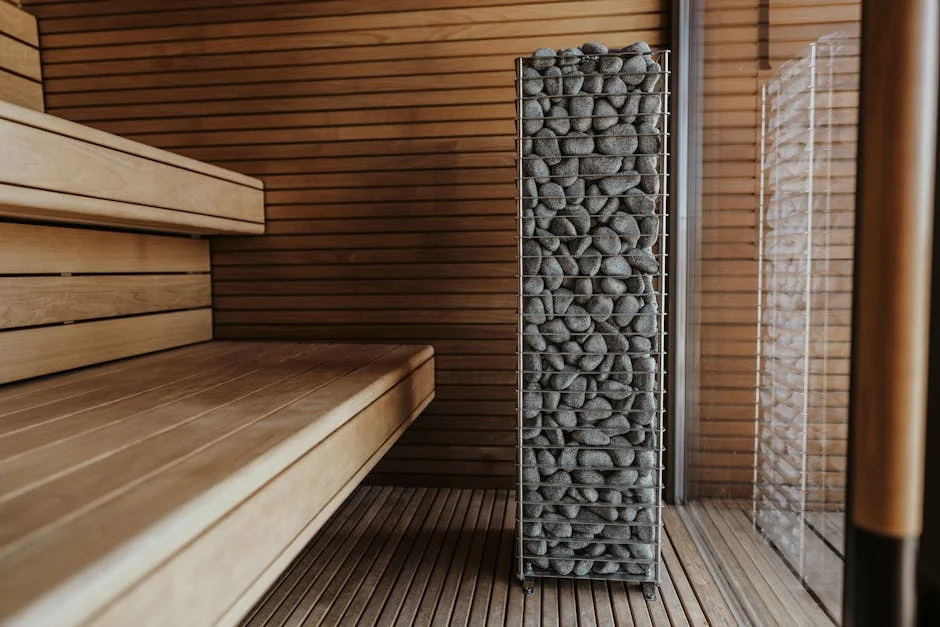
Buying Guide
Electric vs. Wood-Burning Heat Sources
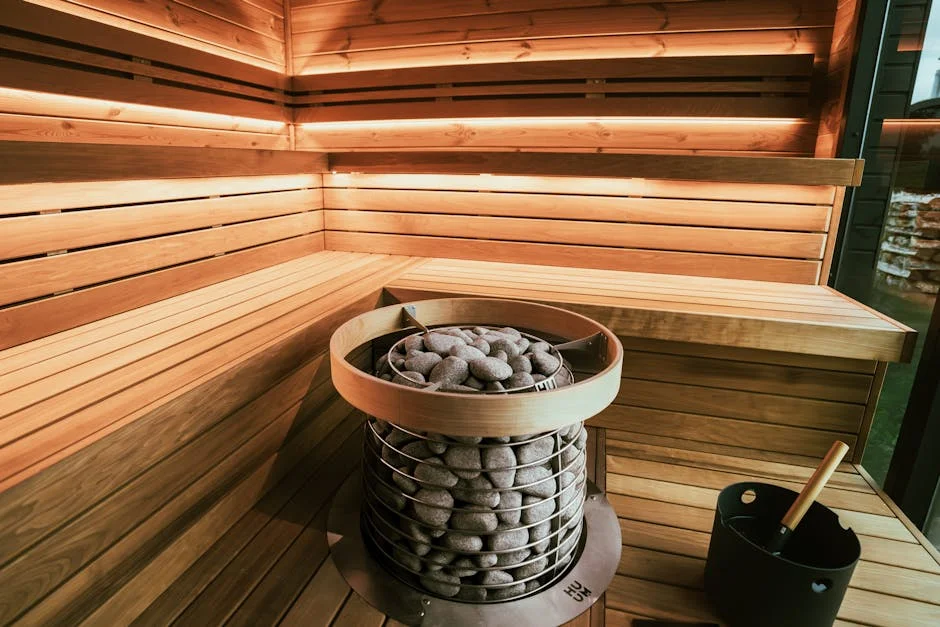
The heater decision comes before almost every other purchase variable. The advantage is precise temperature control, faster startup with a timer, and no wood sourcing or ash management. ETL or UL certification is the marker to look for on any electric heater destined for an outdoor installation.
Wood-burning heaters deliver a different experience. The heat is described consistently in the r/Sauna community as softer and more enveloping than electric , the combustion process introduces variables that produce a less uniform but often preferred thermal environment for traditional steam sessions. The trade-offs are real: wood sourcing, longer heat-up time (60, 90 minutes is typical), and local permitting requirements that vary significantly by area. For buyers on properties without convenient 240V access, wood-burning may be the practical path.
Capacity Ratings and Actual Use
Manufacturer capacity labels in the outdoor sauna category should be treated as upper limits under ideal conditions, not comfortable everyday capacities. A “4, 6 person” rating typically reflects bench square footage rather than an ergonomic assessment of how many people can sit, recline, and move comfortably during a 20-minute session. Verified owner reviews are the more useful input , buyers who describe using the sauna regularly will characterize actual comfortable capacity plainly.
For solo and couples use, a two-person barrel is proportioned correctly and heats efficiently. For families or groups who sauna together regularly, a genuine 4-person capacity requires a unit rated for 6 in most manufacturer frameworks. Matching capacity to your actual use pattern affects both comfort and long-term heater wear.
Site Preparation and Electrical Planning
Site preparation is the most commonly underestimated part of outdoor sauna installation. A level base is non-negotiable , uneven ground causes wall panels to rack over the first winter, creating gaps that affect both heat retention and weather resistance. Gravel beds (4, 6 inches of compacted gravel) are the most common DIY foundation approach and handle drainage better than solid concrete pads for most climates. Concrete pavers or a pressure-treated wood deck frame are also viable.
Electrical planning should happen in parallel with product selection, not after delivery. Confirm the heater’s voltage and amperage requirements from the specification sheet, not the listing headline. Most 6 kW heaters in this segment require 240V / 30A service , a dedicated outdoor circuit with a weatherproof disconnect. The cost of that electrical run is a real project variable that affects total installation cost significantly.
More detail on site considerations for different outdoor configurations is available on the outdoor sauna planning resource page.
Assembly Complexity and the DIY Commitment
Barrel saunas and cabin kits both ship as DIY assembly packages, but the complexity varies meaningfully. Cabin-style rectangular builds require more precise squaring during assembly and benefit from previous framing or carpentry experience.
Porch additions and custom configurations increase assembly time substantially. Buyers who have not built a structure from a kit before should budget for a third day of assembly and read every available owner review about the instruction quality before committing to a complex configuration. Assembly-related warranty questions , whether the manufacturer provides support if a component is damaged or missing during a DIY build , are worth resolving with the seller before purchase.
Maintenance Expectations for Outdoor Wood Saunas
No outdoor wood sauna is fully maintenance-free. Cedar and thermo wood are the most forgiving , annual inspection of the exterior joints, a wood treatment application every one to two years, and keeping the roof drainage clear of debris covers most of what these materials need. White pine installations require more frequent attention, particularly in climates with significant precipitation or humidity cycling.
Interior maintenance is simpler: keep benches dry between sessions, sand lightly if surface splinters develop, and avoid paint or varnish inside the sauna room , the wood needs to breathe and respond to heat and moisture naturally. Heater stone condition should be checked annually; cracked or crumbled stones reduce steam quality and should be replaced.
Frequently Asked Questions
How much space do I need in my backyard for an outdoor barrel sauna?
Most 4, 6 person barrel saunas require a footprint of roughly 7, 8 feet in diameter by 7, 8 feet in length, plus clearance around all sides. Plan for at least 18, 24 inches of clearance from any combustible structure on the sides, and factor in the access path for delivery and assembly. The EuroSauna 2-Person at 81 × 59 inches is one of the more compact options if space is a primary constraint.
Do I need a permit to install an outdoor sauna?
Permit requirements vary by municipality and depend on whether the sauna is classified as a permanent structure, the heater type, and the electrical work involved. Most jurisdictions require a permit for the 240V electrical circuit regardless of structure classification. Wood-burning heater installations often carry additional fire-safety review requirements. Checking with your local building department before purchasing is the step that prevents the most expensive surprises.
What is the difference between a barrel sauna and a cabin-style outdoor sauna?
Barrel saunas use a curved stave-and-band construction that makes them efficient to heat , the curved ceiling channels warmth toward bench level and reduces the dead air volume overhead. Cabin-style saunas like the Outdoor Traditional Sauna offer a rectangular room that tends to have more even heat distribution at bench level and typically provides more bench configuration flexibility. Barrel saunas are generally faster to assemble and level on uneven ground.
Is a 6 kW heater sufficient for a 4, 6 person outdoor sauna?
Six kilowatts is at the lower end of adequate for a full 4, 6 person room in a cold outdoor climate. Manufacturer specifications and r/Sauna field reports both suggest that 6 kW works well in well-insulated rooms of moderate volume in mild to moderate outdoor temperatures. In climates with sustained sub-freezing winters, some buyers in this capacity range report preferring 8, 9 kW for reliable heat-up times. The EuroSauna matches 6 kW to a two-person room, where that output is genuinely well-sized.
Can I use a home outdoor sauna year-round in a cold climate?
Cedar and thermo wood barrel saunas are routinely used year-round in Scandinavian climates and in cold-weather U.S. regions including the upper Midwest. The wood species, wall thickness, and heater sizing are the variables that determine winter performance. Owner reports from Minnesota and Nordic installations consistently note that properly built barrel saunas with well-matched heaters perform reliably in extended cold, though heat-up time increases as ambient temperature drops. Covering the sauna between sessions and clearing snow from the roof extends the structural life.
Where to Buy
Outdoor Traditional Sauna, 4-6 Person Wooden Sauna, Steam Wet Wood Sauna with 220V with 6KW Heater, Sauna Stone, ThermometerSee Outdoor Traditional Sauna, 4-6 Person… on Amazon