Custom Sauna Buyer's Guide: Types, Sizes, and Installation Options

Affiliate disclosure: Some links on this page are affiliate links. If you buy through them we earn a small commission at no extra cost to you. This never influences which products we recommend — we only suggest things we'd buy ourselves. Product prices and availability are accurate as of the date published and are subject to change. Always check Amazon for current pricing before purchasing. Learn more.
Quick Picks
Harvia KIP60B, KIP Series 6kW Sauna Heater, Built-in Controls, Black Series
Quality construction suited to regular home sauna use
Buy on AmazonVEVOR Sauna Heater, 6KW 240V Electric Sauna Stove, Dry Steam Bath Saunas Stove with Pre-Drilled Bracket, Fit 176.5 to 317.8 CU.FT Saunas Rooms, Steam Bath Stoves for Home, Commercial, Leisure Venues
Quality construction suited to regular home sauna use
Buy on AmazonMxmoonant Sauna Heater, 6KW 220V Electric Sauna Heaters Digital Control Sauna Stove Dry Steam Sauna Bath for Home Hotel Spa Max. 300 Cu.ft with Sauna Hygrothermograph
Quality construction suited to regular home sauna use
Buy on Amazon| Product | Price Range | Top Strength | Key Weakness | Buy |
|---|---|---|---|---|
| Harvia KIP60B, KIP Series 6kW Sauna Heater, Built-in Controls, Black Series best overall | $$ | Quality construction suited to regular home sauna use | Confirm specifications match your specific installation space and electrical requirements | Buy on Amazon |
| VEVOR Sauna Heater, 6KW 240V Electric Sauna Stove, Dry Steam Bath Saunas Stove with Pre-Drilled Bracket, Fit 176.5 to 317.8 CU.FT Saunas Rooms, Steam Bath Stoves for Home, Commercial, Leisure Venues also consider | $$ | Quality construction suited to regular home sauna use | Confirm specifications match your specific installation space and electrical requirements | Buy on Amazon |
| Mxmoonant Sauna Heater, 6KW 220V Electric Sauna Heaters Digital Control Sauna Stove Dry Steam Sauna Bath for Home Hotel Spa Max. 300 Cu.ft with Sauna Hygrothermograph also consider | $$ | Quality construction suited to regular home sauna use | Confirm specifications match your specific installation space and electrical requirements | Buy on Amazon |
| Generic 2 Person Portable Sauna for Home, Upgraded Extra Large Personal Steam Sauna Box with 2 Steamer, 2 Folding Chair, 71”x 49”x 36”, Full Body Steam Tent at Home Sauna for Relaxation Spa, Black also consider | $$ | Quality construction suited to regular home sauna use | Confirm specifications match your specific installation space and electrical requirements | Buy on Amazon |
| Tehanld 2 Person Portable Steam Sauna for Home, Extra Large Sauna Tent, Upgraded 2 Steamer, 2 Foldable Chair & Remote Control, Black also consider | $$ | Quality construction suited to regular home sauna use | Confirm specifications match your specific installation space and electrical requirements | Buy on Amazon |
Building a custom sauna at home means making real decisions , about type, size, heater, and how the space fits your life. The range of options spans permanent built-in installations to portable tent saunas that require no construction at all. A look through the full spectrum of sauna guides will show how wide that landscape actually is.
The factors that determine the right choice aren’t complicated, but they do require honest self-assessment. Available space, electrical capacity, how often you’ll use it, and whether you want a permanent fixture or something more flexible , these variables shape every other decision that follows.
What to Look For in a Custom Sauna
Sauna Type: Traditional vs. Infrared vs. Portable
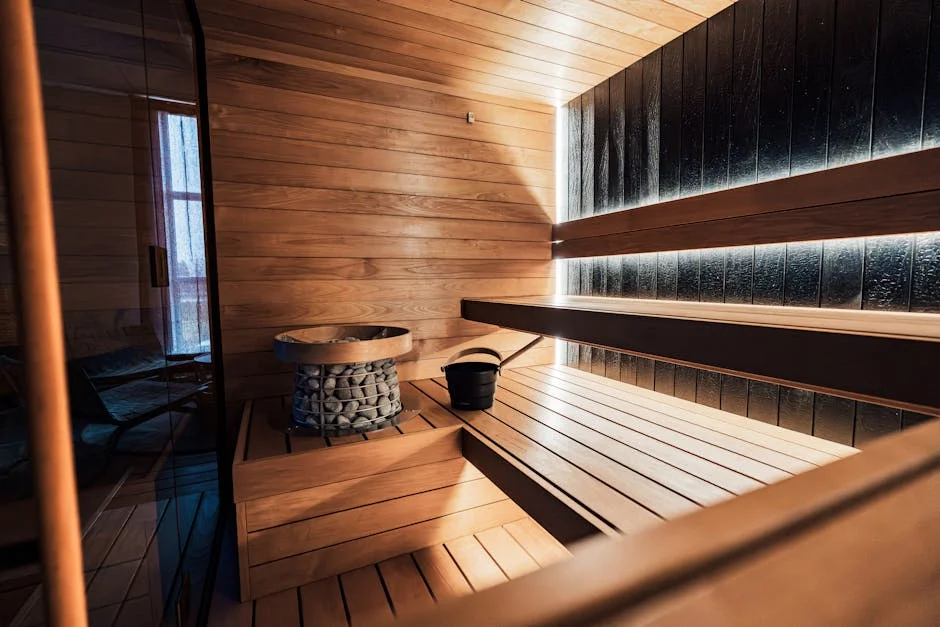
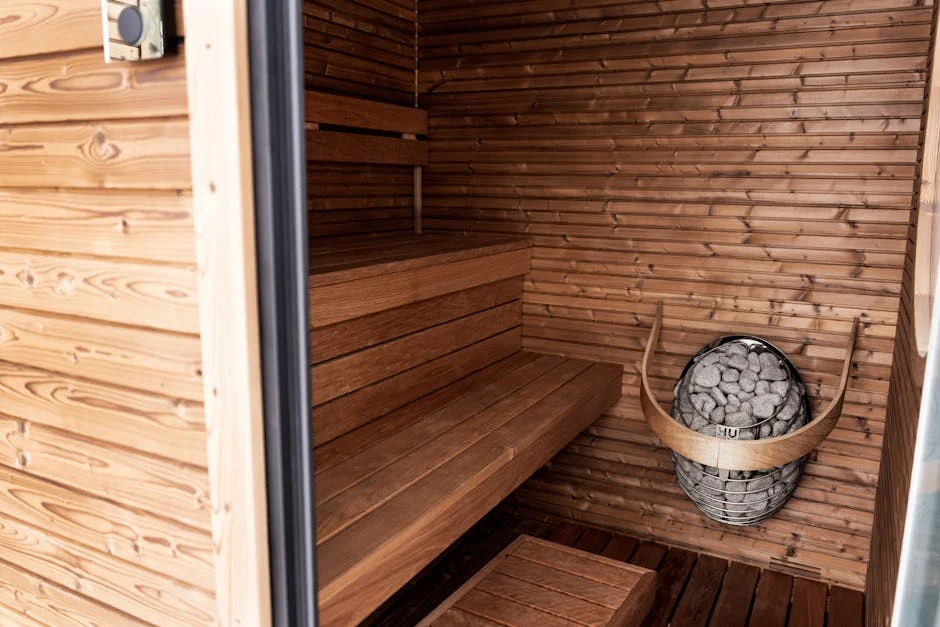
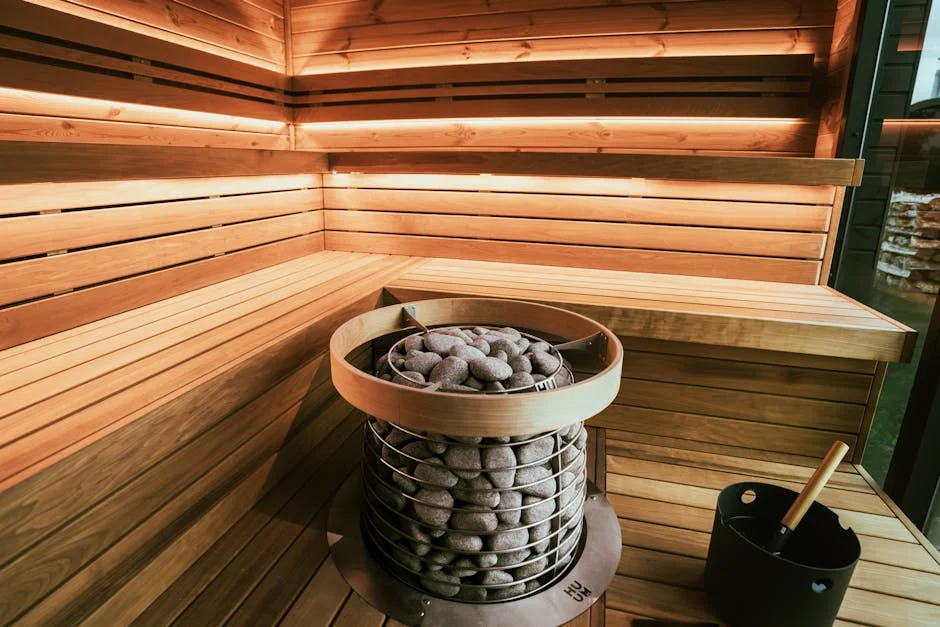
The first and most consequential choice is sauna type. Traditional Finnish-style saunas use a rock heater , a kiuas , to heat the room to high temperatures, typically 160, 195°F, with the option to pour water over the stones for steam bursts called löyly. Infrared saunas operate at lower ambient temperatures and heat the body directly through radiant panels rather than air. Portable steam saunas take a different approach entirely, using a compact steam generator to fill an enclosed fabric tent with moist heat.
Each type has a distinct sensory experience. R/Sauna community members who have used all three consistently describe traditional Finnish sauna as the most authentic and physiologically intense experience. Infrared is gentler and often preferred by those sensitive to high heat. Portable steam saunas offer a moist-heat experience that differs from both, and they require no dedicated room or electrical work beyond a standard outlet.
The right type depends on what you’re trying to replicate or achieve. For buyers committed to the full Finnish sauna tradition, a room heater installation is the path. For flexibility and low barrier to entry, portable saunas have a legitimate role.
Room Size and Heater Capacity Matching
Matching heater output to room volume is a non-negotiable technical requirement. Undersizing a heater means the room never reaches target temperature. Oversizing wastes energy and can create uncomfortable heat spikes. The general guidance from manufacturers , and consistent with installer practice , is roughly 1 kW of heater output per 45, 50 cubic feet of insulated sauna room volume.
A 6 kW heater, which represents the most common residential size, suits rooms in the 270, 300 cubic foot range. That corresponds to a roughly 6×8×7-foot interior , a comfortable two-to-three-person room for most families. Room insulation quality, ceiling height, and whether the room is interior or exterior all affect this calculation. Exterior installations in cold climates like Minnesota require more heating capacity than the same-size interior room.
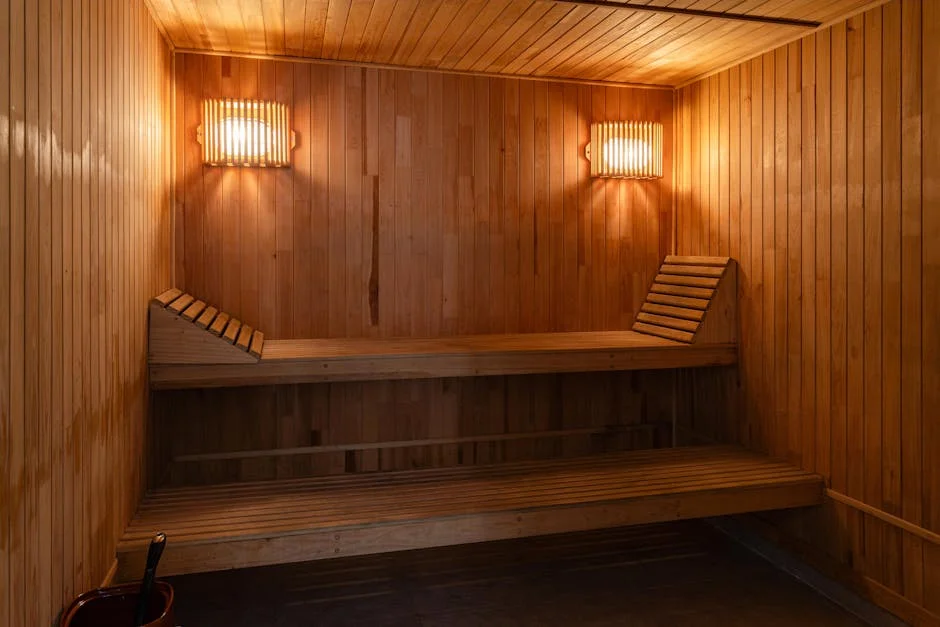
Ceiling height deserves specific attention. Higher ceilings increase volume without adding usable bench space, and they force the heater to work harder. Most traditional sauna benches sit at 36, 42 inches from the floor; the ceiling above the upper bench is what creates the hot zone. Keeping ceilings at seven feet or below improves heater efficiency significantly.
Electrical Requirements
A 6 kW electric sauna heater operating on 240V draws approximately 25 amps. That requires a dedicated circuit , typically a 30-amp or 40-amp breaker, depending on the specific unit and local code. Buyers who do not have a spare 240V circuit available are looking at an electrician visit before the sauna becomes functional.
This is one of the most common points where sauna projects encounter unexpected cost. Reviewing sauna installation guides before committing to a heater model is a practical step , several cover what to ask an electrician and what the typical circuit addition involves. Portable steam saunas, which typically run on 120V standard household current, sidestep this requirement entirely.
Wood Selection and Vapor Management
Traditional sauna rooms use specific wood species for good reason. Western red cedar, Nordic spruce, hemlock, and aspen are the standard choices. They remain stable under temperature cycling, resist warping and moisture damage, and don’t off-gas resins at sauna temperatures the way pine can. Cedar’s natural oils provide some antimicrobial benefit and contribute the characteristic scent that many users associate with the sauna experience.
Vapor management matters as much as wood selection. A proper vapor barrier on the exterior-facing walls, combined with ventilation that allows controlled air exchange, keeps the room’s structural elements dry between sessions. Skipping the vapor barrier is a common shortcut that leads to structural problems within a few years.
Top Picks
Harvia KIP60B, KIP Series 6kW Sauna Heater
The Harvia KIP60B is the entry point that most serious home sauna builders eventually consider. Harvia is a Finnish manufacturer with decades of commercial and residential heater production behind them , the brand is well-represented in r/Sauna discussions precisely because owners report consistent performance over years, not just at initial installation.
The KIP series sits in the company’s mid-range residential line, meaning it’s built to the same durability standards as Harvia’s professional units without the added cost of larger commercial capacity. The black series finish suits contemporary sauna aesthetics, and the built-in controls simplify installation by eliminating the need for a separate control panel purchase. Verified buyers note the unit reaches target temperature reliably and holds it steadily through full sessions , a quality that heater reviews often underreport in favor of focusing on initial heat-up time.
At 6 kW on 240V, this heater is appropriate for rooms up to approximately 300 cubic feet. Confirm your room dimensions and insulation before purchasing , a well-insulated 6×8 interior room is the natural match, and poorly insulated or larger rooms will push the limits of what this output can maintain.
Check current price on Amazon.
VEVOR Sauna Heater 6KW 240V Electric
The VEVOR 6KW sauna heater occupies the accessible end of the 240V electric heater market. VEVOR has built a large catalog of home-use equipment across multiple categories, and their sauna heaters draw a consistent body of owner feedback that’s useful for evaluating real-world performance.
The pre-drilled bracket included with this unit is a small but practical touch for first-time installers , wall-mounting a heater without reference hardware adds steps that most buyers don’t anticipate. The manufacturer rates this unit for rooms between 176.5 and 317.8 cubic feet, which covers the standard residential range. Owner reports on build quality are generally positive at this tier, though the consensus from experienced r/Sauna members is that VEVOR heaters perform well for occasional-to-regular home use rather than the daily-use intensity of a dedicated enthusiast setup.
For buyers building their first sauna room and prioritizing a reliable, straightforward installation, this heater delivers what the category requires. Match room size to the rated range and confirm the electrical circuit before ordering.
Check current price on Amazon.
Mxmoonant Sauna Heater 6KW 220V Electric
Digital controls and a bundled hygrothermograph , the combined thermometer and hygrometer that tells you both temperature and humidity , distinguish the Mxmoonant 6KW from comparably priced units that leave sensor purchase as an afterthought.
Monitoring sauna temperature and humidity isn’t optional for serious users; it’s how you know when the room is ready, how you manage löyly if you’re adding steam, and how you troubleshoot performance over time. Bundling this instrument with the heater represents genuine value, not a marketing add-on. The digital control interface allows precise temperature targeting and timer management, which owner reviews note works consistently through regular use cycles.
The unit is rated to 300 cubic feet, placing it in the same size range as the other 6 kW heaters here. At 220V it requires the same dedicated circuit planning as any heater in this output class.
Check current price on Amazon.
2 Person Portable Sauna for Home
No construction, no electrician, no dedicated room , the 2 Person Portable Sauna addresses the most common barrier to sauna ownership: the infrastructure required to build a permanent room. This is a fabric-walled steam tent with dual steamers and folding chairs, designed to set up in any room with floor space and a standard outlet.
At 71×49×36 inches, the footprint is substantial for a portable unit , this isn’t a compact solo tent. The two-steamer configuration allows faster heat buildup and better recovery between uses. Owner feedback describes the moist-heat experience as genuinely effective for relaxation, though the honest expectation-setting here matters: steam tent heat is physically different from a traditional Finnish sauna. The temperature ceiling is lower, the humidity is much higher, and the immersive quality of a built room is not replicated.
For renters, for buyers in apartments, or for households where a permanent installation isn’t feasible in the near term, this option solves a real problem. It also makes a reasonable first sauna for someone who wants to understand their usage habits before committing to a room build.
Check current price on Amazon.
Tehanld 2 Person Portable Steam Sauna
The Tehanld portable steam sauna adds a remote control to the portable steam tent format , a small ergonomic detail that matters more in practice than it sounds. Adjusting temperature and timer settings while seated inside the tent without needing to reach for panel controls is the kind of user experience refinement that owner reviews consistently flag as a real-world differentiator.
The tent accommodates two people and uses dual steamers for the same reason as the previous option: faster recovery and more consistent heat distribution across a larger enclosure. The extra-large designation is accurate relative to single-person portable units , the interior is genuinely usable by two adults, not a squeeze fit. Tehanld has a narrower product history than some competitors, but the verified buyer feedback on this specific unit is stable and positive across the details that matter for daily use.
For buyers comparing portable steam tent options, the remote control and build quality reported by owners give this model a practical edge over generic alternatives at a similar tier.
Check current price on Amazon.
Buying Guide

Permanent Room vs. Portable: The Honest Trade-off
A permanent sauna room is a better sauna. That statement holds up across virtually every dimension of the experience , heat ceiling, acoustic isolation, the ritual quality of the space, resale impact on the property. The trade-off is commitment: construction cost, dedicated square footage, and electrical work that may require permit and inspection.
Portable steam tents are a legitimate category, not a consolation prize. For renters, for households without available electrical capacity, or for buyers who want to verify their usage habits before investing in a room, they serve a real purpose. The honest question is whether the portable experience will sustain regular use, or whether it will migrate to a closet.
Heater Sizing: Start with the Room, Not the Product
Every heater purchase decision should begin with room dimensions, not product specifications. Calculate your cubic footage , length × width × ceiling height , then identify heaters rated for that range. A 6 kW heater suits roughly 270, 300 cubic feet of well-insulated interior space; adjust down for poor insulation or exterior cold-climate exposure.
The heating range labels on product listings are manufacturer guidelines, not guarantees. Room insulation quality, door seal tightness, and how much thermal mass the walls contain all influence real-world heat-up time and holding temperature. Build the room correctly first; the heater is the last decision, not the first.
Electrical Planning Before Purchase
A 240V heater circuit addition is a straightforward job for a licensed electrician, but it takes scheduling, permits in most jurisdictions, and budget. Buyers who skip this planning step and order a heater first routinely encounter delays. Confirm panel capacity and circuit availability before committing to any 240V unit.
This applies equally to the Harvia KIP60B, the VEVOR, and the Mxmoonant , all operate at 240V or 220V and require dedicated circuits. The full range of sauna guides at SaunasSoSimple includes electrical planning checklists useful for the pre-purchase conversation with an electrician.
Wood and Ventilation: The Infrastructure That Outlasts the Heater
Heaters can be replaced. The room’s structural decisions , wood species, vapor barrier installation, ventilation design , are harder and more expensive to undo. Cedar, hemlock, and Nordic spruce are the proven species choices. They handle thermal cycling without warping and don’t off-gas compounds at sauna temperatures.
Ventilation design governs air quality and structural longevity. A low intake vent near the heater and a high exhaust vent on the opposite wall create the circulation pattern that prevents moisture accumulation between sessions. Skipping or undersizing ventilation is the most common DIY sauna mistake, and the damage it causes , to wood, insulation, and the framing behind the vapor barrier , compounds over multiple years before it becomes visible.
Usage Frequency and Maintenance Expectations
How often a sauna gets used determines how much heater durability matters relative to price. For weekly or occasional use, a mid-range heater like the VEVOR performs reliably within its design parameters. For daily use in a household with multiple users, investing in a heater with a longer-established reliability record , like the Harvia line , is a reasonable hedge against premature replacement.
Maintenance for electric heaters is minimal but not zero. Sauna stones need replacement when they crack or crumble, typically after several years of regular use. The heater elements themselves should be inspected annually for corrosion or scale buildup. Keeping a hygrothermograph in the room , whether bundled as with the Mxmoonant or purchased separately , provides the baseline data to catch performance degradation early.
Frequently Asked Questions
What size sauna heater do I need for a 6×8 sauna room?
A 6×8 sauna room with a standard 7-foot ceiling has approximately 336 cubic feet of volume. With good insulation, a 6 kW heater sits at the capable end of that range , both the Harvia KIP60B and the VEVOR 6KW are rated at or near this ceiling. If the room is exterior-facing in a cold climate or has thinner insulation, sizing up to a 7, 9 kW unit is the safer call.
What’s the difference between a steam tent sauna and a traditional sauna?
A traditional Finnish sauna heats air to 160, 195°F with low to moderate humidity; steam is added intentionally by pouring water on hot stones. A portable steam tent operates at much lower ambient temperatures , typically 100, 115°F , with saturated moisture from a dedicated steam generator. The physiological experience differs substantially. Traditional sauna produces more intense dry heat followed by steam bursts; steam tents deliver continuous moist heat throughout the session.
Is 220V the same as 240V for sauna heater wiring purposes?
In residential North American electrical practice, these terms refer to the same nominal voltage level , the difference is semantic and regional rather than technical. The Mxmoonant 6KW lists 220V; the VEVOR lists 240V. Both require a dedicated two-pole circuit from your panel, and both will operate correctly on the standard North American 240V residential supply. Confirm amperage draw and wire gauge with your electrician regardless of the listed voltage.
Can two people comfortably use a portable steam tent sauna?
Owner reviews on both the 2 Person Portable Sauna and the Tehanld unit describe the interior as functional for two adults, though “comfortable” depends on how you’re using it. Side-by-side seating with folding chairs works; the space is not suited to lying down or moving freely. For buyers wanting a more spacious shared experience, a built room remains the practical solution.
How long does it take a 6KW electric heater to heat a sauna room?
A well-insulated 270, 300 cubic foot room with a 6 kW heater reaches 160, 170°F in approximately 30, 45 minutes from a cold start, based on manufacturer specifications and consistent owner reports. Poorly insulated rooms or cold exterior installations take longer. The Harvia KIP60B is frequently cited in owner reviews for hitting target temperature reliably within this window. Adding a hygrothermograph to the room gives you a precise read rather than estimating by time.
Where to Buy
Harvia KIP60B, KIP Series 6kW Sauna Heater, Built-in Controls, Black SeriesSee Harvia KIP60B, KIP Series 6kW Sauna H… on Amazon