Custom Indoor Sauna Buyer's Guide: Types & Installation

Affiliate disclosure: Some links on this page are affiliate links. If you buy through them we earn a small commission at no extra cost to you. This never influences which products we recommend — we only suggest things we'd buy ourselves. Product prices and availability are accurate as of the date published and are subject to change. Always check Amazon for current pricing before purchasing. Learn more.
Quick Picks
OUTEXER Traditional Steam Sauna Home Spa Room for 2-3 Person Steam Wet Indoor Saunas with 240V 3KW Heater,Sauna Stone, Water Bucket, Ladle, LED Lights
Quality construction suited to regular home sauna use
Buy on AmazonX-Vcak 2 Person Sauna, Extra Large Sauna, Portable Steam Sauna Tent with 2 Steamers, 2 Folding Chair, 71”x 49”x 36”, Black
Quality construction suited to regular home sauna use
Buy on AmazonGeneric 3 Person Infrared Sauna 0-5mG Ultra Low EMF Far Infrared Sauna for Home 2130W/20A Canadian Hemlock Indoor Sauna with Front Door Heating Panel, Chromotherapy Lights
Quality construction suited to regular home sauna use
Buy on Amazon| Product | Price Range | Top Strength | Key Weakness | Buy |
|---|---|---|---|---|
| OUTEXER Traditional Steam Sauna Home Spa Room for 2-3 Person Steam Wet Indoor Saunas with 240V 3KW Heater,Sauna Stone, Water Bucket, Ladle, LED Lights best overall | $$$ | Quality construction suited to regular home sauna use | Confirm specifications match your specific installation space and electrical requirements | Buy on Amazon |
| X-Vcak 2 Person Sauna, Extra Large Sauna, Portable Steam Sauna Tent with 2 Steamers, 2 Folding Chair, 71”x 49”x 36”, Black also consider | $$$ | Quality construction suited to regular home sauna use | Confirm specifications match your specific installation space and electrical requirements | Buy on Amazon |
| Generic 3 Person Infrared Sauna 0-5mG Ultra Low EMF Far Infrared Sauna for Home 2130W/20A Canadian Hemlock Indoor Sauna with Front Door Heating Panel, Chromotherapy Lights also consider | $$$ | Quality construction suited to regular home sauna use | Confirm specifications match your specific installation space and electrical requirements | Buy on Amazon |
| MEISSALIVVE Full Spectrum Infrared Sauna,2-3 Person Home Sauna,Wooden Canadian Hemlock Indoor Spa Sauna with Resonance Speaker, Panoramic Tempered Glass Door also consider | $$$ | Quality construction suited to regular home sauna use | Confirm specifications match your specific installation space and electrical requirements | Buy on Amazon |
| Portable Steam Sauna Tent for Home 3L Infrared Sauna for Indoor, Outdoor, Gym, Spa also consider | $$$ | Quality construction suited to regular home sauna use | Confirm specifications match your specific installation space and electrical requirements | Buy on Amazon |
Home sauna ownership used to mean hiring a contractor, sourcing custom lumber, and navigating permit applications. That gap has narrowed considerably , today’s indoor sauna market spans portable steam tents to prefabricated infrared cabins to full traditional steam rooms, all designed for residential installation. Knowing which format fits your space, electrical setup, and sauna goals is the real decision. Explore the full range of indoor saunas to understand where each category sits before committing.
The difference between a satisfying home sauna and an expensive disappointment usually comes down to three variables: heat type, footprint, and installation complexity.
What to Look For in a Custom Indoor Sauna
Heat Type: Traditional Steam vs. Infrared vs. Portable
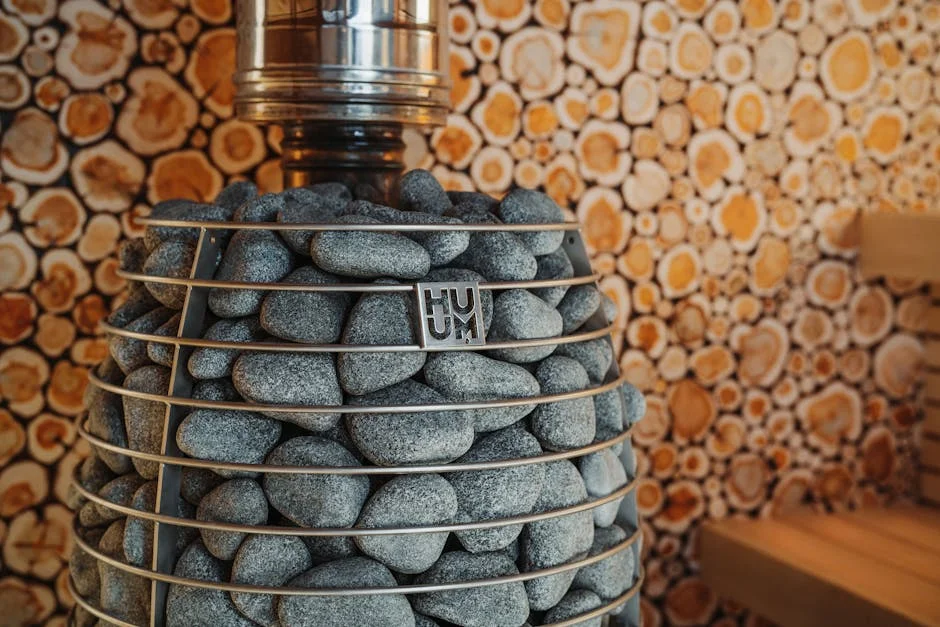
The first decision shapes every other one. Traditional steam saunas use a dedicated electric heater to bring a room to high ambient temperatures , typically 150°F to 190°F , while infrared saunas use radiant panels to heat the body directly at lower air temperatures, usually 120°F to 140°F. Portable steam tents use a standalone steam generator to fill an enclosure with wet heat, offering a middle ground that requires no permanent installation.
Owner preferences divide clearly along these lines. Verified buyers who come from a Finnish or traditional sauna background consistently favor high-temperature steam environments and report that infrared, while effective, delivers a different physiological experience. Buyers who prioritize easy access, quick heat-up times, and recovery-focused sessions tend to favor infrared. Neither is objectively superior , the distinction is real, and worth resolving before evaluating any specific product.
Electrical Requirements and Dedicated Circuits
Traditional steam saunas and full-size infrared cabins almost universally require a dedicated 240V circuit. Most portable steam tents run on standard 120V household current, which is why they appeal to renters and buyers without access to an electrician.
Before purchasing any hardwired sauna, verify that your installation space can support the electrical load. Adding a dedicated 240V circuit typically requires a licensed electrician and may require a permit, depending on your municipality. Factor that work , and its cost , into the total installation equation before finalizing a choice.
Space, Ventilation, and Flooring
Prefabricated sauna cabins arrive as modular panel systems that you assemble in place. The footprint is fixed by the manufacturer , measure your available space precisely, accounting for door swing clearance and the manufacturer’s recommended clearance from walls for ventilation. Traditional steam saunas require vapor-resistant flooring and adequate ventilation to prevent moisture damage to surrounding walls and subfloor. Infrared saunas produce far less ambient moisture, making them more tolerant of typical interior spaces.
Ventilation is not optional for steam units. Verified buyer reports frequently cite moisture management as the primary long-term maintenance factor in traditional indoor steam installations. Plan for an exhaust path before the unit arrives.
Permits and Local Code Compliance
Permanent indoor sauna installations , particularly those requiring new electrical circuits and structural penetrations for ventilation , often fall under local building codes. Whether a permit is required depends on your jurisdiction, the scope of the electrical work, and whether the installation is classified as a structural modification.
The honest answer for most buyers is: check with your local building department before purchasing. Permit requirements vary widely. A portable steam tent that plugs into a standard outlet almost never triggers permit requirements. A hardwired, framed sauna room addition almost certainly does. Exploring the range of home sauna formats , from plug-and-play portables to full cabin kits , can help clarify what level of installation commitment makes sense for your situation before any purchase.
Top Picks
OUTEXER Traditional Steam Sauna Home Spa Room
The OUTEXER Traditional Steam Sauna Home Spa Room is a prefabricated wet steam cabin designed for two to three occupants, built around a 240V 3KW electric heater with a full complement of traditional accessories , sauna stones, water bucket, ladle, and LED lighting are all included. The package positions it as a close analog to a professionally installed traditional sauna room at a fraction of the custom build cost.
Owner feedback consistently points to solid panel construction and a genuine high-temperature steam environment as the unit’s strongest attributes. For buyers who want the traditional sauna experience , pouring water over hot stones, high ambient heat, proper steam , the OUTEXER delivers on the essential promise. The included accessories are a practical plus; many comparable units require sourcing stones and buckets separately.
Installation requires real planning. The 240V electrical requirement means a dedicated circuit is non-negotiable, and buyers in jurisdictions that require permits for hardwired appliances should verify local requirements before ordering. Verified buyers who completed clean installations without electrical complications report high satisfaction. The cases where satisfaction drops tend to involve buyers who underestimated the electrical and ventilation work required upfront.
Check current price on Amazon.
X-Vcak 2 Person Extra Large Portable Steam Sauna Tent
At 71” x 49” x 36”, the X-Vcak 2 Person Sauna is one of the larger portable steam tent configurations available, and the dual-steamer design sets it apart from single-generator units that struggle to maintain consistent heat in a larger enclosure. Two folding chairs are included, making simultaneous two-person use genuinely practical rather than a marketing claim.
The portable format resolves the installation complexity that makes traditional cabin saunas a significant undertaking. No dedicated electrical circuit, no ventilation penetrations, no permit applications , the unit operates on standard household current and stores flat when not in use. Verified buyers consistently note this as the key appeal: a real sauna experience accessible to renters, apartment dwellers, and anyone who cannot or does not want to commit to a permanent installation.
The trade-off against a hardwired cabin is real but bounded. Ambient heat in a fabric tent does not replicate the enveloping warmth of an insulated wood cabin, and the experience of sitting inside a fabric enclosure differs from sitting in a paneled room. For buyers whose primary goal is regular steam access without construction, the X-Vcak’s combination of size and dual-steamer output makes a strong case. The black colorway and clean exterior make it more living-space compatible than older portable tent designs.
Check current price on Amazon.
3 Person Infrared Sauna with Ultra Low EMF Panels
The 3 Person Infrared Sauna is a Canadian hemlock cabin rated at 2130W/20A with far infrared heating panels and a published EMF figure of 0, 5mG , a specification that buyers with specific concerns about electromagnetic field exposure will find relevant and verifiable. Chromotherapy lighting and a front-door heating panel round out a feature set aimed at buyers who want recovery and wellness functionality integrated into the cabin rather than added separately.
The ultra-low EMF specification deserves context. R/Sauna community discussion on EMF in infrared saunas reflects genuine disagreement , some buyers treat it as a primary filter, others regard it as a secondary consideration. What the 0, 5mG rating signals, regardless of individual position on EMF sensitivity, is that the manufacturer has invested in higher-quality panel shielding. Buyers who have been researching this category closely will recognize the specification as meaningful; buyers new to infrared who have no EMF concerns can read it simply as a marker of component quality.
Three-person capacity at the 2130W draw requires a 20A circuit , within range of a standard 240V circuit that many homes already have available, but worth confirming before purchase. Hemlock construction holds up well in the heat cycling of regular sauna use, and verified buyers report the front-door heating panel as a genuine addition to warmth distribution rather than a cosmetic feature.
Check current price on Amazon.
MEISSALIVVE Full Spectrum Infrared Sauna
Full spectrum infrared , the combination of near, mid, and far infrared wavelengths in a single unit , is the differentiating specification the MEISSALIVVE Full Spectrum Infrared Sauna leads with, and it’s a meaningful distinction from single-spectrum far-infrared cabins. Near infrared operates closer to the skin surface; far infrared penetrates more deeply. Buyers who have researched the physiological literature on infrared therapy and specifically want the full spectrum will find few alternatives at this price band and capacity.
The two-to-three person Canadian hemlock cabin includes a resonance speaker system and a panoramic tempered glass door , features that affect the ownership experience in ways that extend beyond the sauna session itself. Owner reports consistently mention the panoramic door as making the cabin feel less enclosed than standard solid-door units, which matters for buyers who have hesitated over claustrophobia concerns. The resonance speaker integration is well-regarded among verified buyers who use their sauna sessions for active relaxation rather than silent heat exposure.
At 2, 3 person capacity, this unit fits most dedicated home sauna spaces without dominating the room. Manufacturer specifications should be reviewed against your available space before ordering.
Check current price on Amazon.
Portable Steam Sauna Tent for Home
The Portable Steam Sauna Tent for Home is a compact single-person steam enclosure built around a 3L infrared steam generator, designed to work equally well indoors, outdoors, or in a gym setting. The multi-environment design is intentional , this is explicitly a personal sauna tool for buyers who want flexibility and portability as primary attributes rather than cabin-grade permanence.
The 3L steam capacity is the specification to evaluate here. Verified buyers report consistent steam output for single sessions, with the caveat that longer sessions may require a refill depending on steam intensity settings. For buyers whose use pattern centers on a 20, 30 minute daily session rather than extended group use, the output is well-matched to purpose. The infrared element supplements the steam with radiant heat, which owner reports describe as producing faster perceived warmth than steam-only portable units.
Where the OUTEXER and the hemlock cabin units require planning and installation commitment, this tent asks for counter space and a standard outlet. It’s the right answer for buyers who want regular sauna access without any installation friction , and an honest mismatch for buyers who want the traditional high-temperature steam room experience. The two use cases are different, and the product makes no pretense of bridging them.
Check current price on Amazon.
Buying Guide
Choosing Between Infrared and Traditional Steam
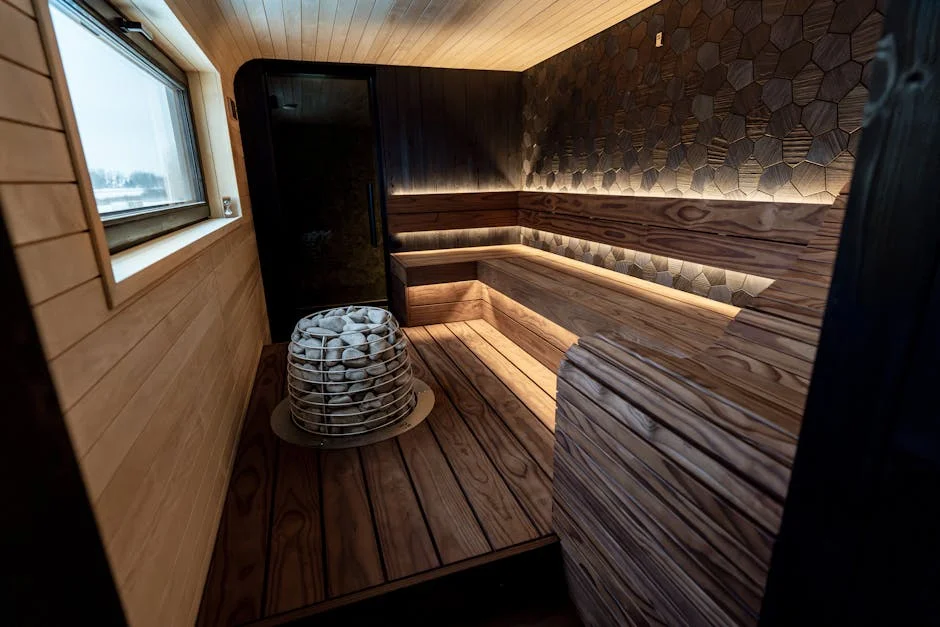
The infrared-versus-steam decision is the axis around which every other purchase variable turns. Traditional steam saunas operate at high ambient temperatures with elevated humidity , the environment most associated with Finnish sauna culture and the physiological response of full-body heat exposure. Infrared saunas heat the body radially at lower air temperatures, which some buyers find more comfortable for longer sessions and easier to tolerate for those new to sauna use.
Neither format is a compromise version of the other. They are different tools. Buyers who already have sauna experience and know they want high-temperature wet heat should look at the OUTEXER or the X-Vcak tent. Buyers drawn to recovery-focused, lower-temperature sessions with chromotherapy and integrated audio should look at the infrared cabin options. Resolving this question first prevents a purchase decision driven by price or convenience that delivers the wrong type of heat.
Evaluating Capacity for Your Actual Use
Sauna capacity ratings , two-person, three-person , describe the physical occupancy the cabin or tent was engineered to accommodate, not the ideal configuration. A two-person cabin used exclusively by one person is a different experience than the same cabin shared simultaneously. Buyers who plan to use their sauna primarily alone should consider whether the additional space of a three-person unit improves comfort or simply increases the electrical load and footprint without a corresponding benefit.
For shared household use, undersizing is a common regret. Owner reports across this category frequently note that buyers who purchased a two-person unit with the intention of sharing it end up wishing for more bench space. When space and electrical capacity permit, sizing up is the more flexible long-term decision.
Installation Reality: What “Easy Assembly” Actually Means
Prefabricated sauna cabin manufacturers describe their panel assembly process as straightforward, and by construction standards, it is. Panels connect via cam locks or tongue-and-groove systems; a single person or pair can typically complete assembly in two to four hours. What “easy assembly” does not include: running a dedicated electrical circuit, installing a GFCI breaker, establishing ventilation for steam units, or preparing the subfloor for moisture exposure.
Buyers who approach a cabin sauna purchase as a plug-in appliance often underestimate the pre-installation scope. The cabin assembly itself is the straightforward part. The indoor sauna installation context , electrical, ventilation, and flooring preparation , is where realistic planning matters most. Budget for electrician time and materials as a baseline for any hardwired unit.
EMF Ratings in Infrared Saunas
EMF specification has become a standard filter in infrared sauna buying research, and buyers encounter a wide range of published figures across products in this category.
For buyers without strong prior views on EMF, the specification still functions as a proxy for component quality , manufacturers who invest in lower-EMF panel shielding tend to use higher-grade heating elements overall. It is not the only quality indicator, but it is a meaningful one when comparing otherwise similar infrared cabin specifications.
Portables vs. Permanent Installations: A Decision Framework
The distinction between a portable steam tent and a hardwired sauna cabin is not simply size , it is a structural commitment decision. Portable units require no permits, no dedicated circuits, no flooring preparation, and no approval from landlords or HOAs. They also do not deliver the enclosed, fully insulated heat environment that a framed cabin produces.
The honest framework: if you have never owned a sauna and are uncertain whether regular sauna use will become a durable habit, a portable unit is a low-friction starting point. If you are confident in your use pattern and have the space and electrical access, a permanent installation delivers a qualitatively different experience. Buyers who start with a portable and later upgrade to a cabin consistently report that the upgrade was worth the additional planning investment.
Frequently Asked Questions
Do indoor saunas require a permit?
Whether a permit is required depends on your local building code and the scope of the installation. Portable steam tents that operate on standard household current almost never require a permit. Hardwired cabins that require a new dedicated 240V circuit or structural ventilation work typically do trigger permit requirements in most jurisdictions. Check with your local building department before purchasing a hardwired unit.
What is the difference between far infrared and full spectrum infrared saunas?
Far infrared saunas emit a single wavelength of radiant heat that penetrates deeply into body tissue. Full spectrum units , like the MEISSALIVVE Full Spectrum Infrared Sauna , combine near, mid, and far infrared wavelengths in a single heater array. Near infrared operates closer to the skin surface; the combination is associated with a broader range of physiological effects. Buyers specifically researching recovery or therapeutic applications often prioritize the full spectrum format.
Can I use an indoor sauna in an apartment?
A portable steam tent is the practical option for apartment use. Units like the X-Vcak 2 Person Sauna and the Portable Steam Sauna Tent for Home operate on standard household current, require no installation, and store compactly. Hardwired cabin saunas require dedicated electrical circuits and ventilation work that apartment buildings typically prohibit without landlord and HOA approval.
How much space do I need for a two-to-three person infrared sauna cabin?
Manufacturer footprint dimensions are the starting point, but clearance requirements add to the actual space needed. Most two-to-three person hemlock cabins in this category require a minimum of six inches of clearance on the sides and rear for ventilation and heat dissipation, plus full door-swing clearance at the front. Measure your available space with those additions before purchasing. A tight fit that restricts ventilation clearance creates heat management problems the manufacturer’s specifications were not designed to accommodate.
Is traditional steam or infrared better for muscle recovery?
Owner consensus and community field reports suggest both formats support recovery, with meaningful differences in the mechanism. Traditional steam at high ambient temperatures produces pronounced cardiovascular response and full-body heat exposure. Infrared , particularly far infrared at the wavelengths associated with tissue penetration , is frequently cited in r/Sauna discussions as effective for joint and muscle recovery at lower, more tolerable air temperatures. Buyers with specific recovery goals often benefit from researching ESPA Foundation and peer-reviewed literature on infrared versus traditional steam before deciding.
Where to Buy
OUTEXER Traditional Steam Sauna Home Spa Room for 2-3 Person Steam Wet Indoor Saunas with 240V 3KW Heater,Sauna Stone, Water Bucket, Ladle, LED LightsSee OUTEXER Traditional Steam Sauna Home … on Amazon